Lead Solder and Brass Fixtures: The Overlooked Plumbing Risk
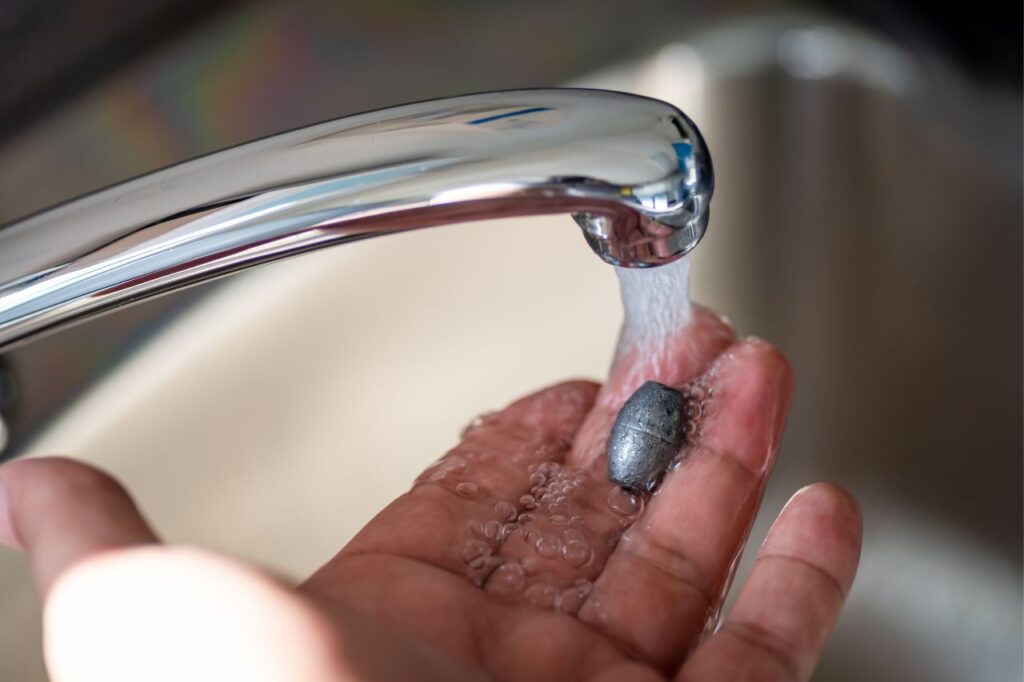
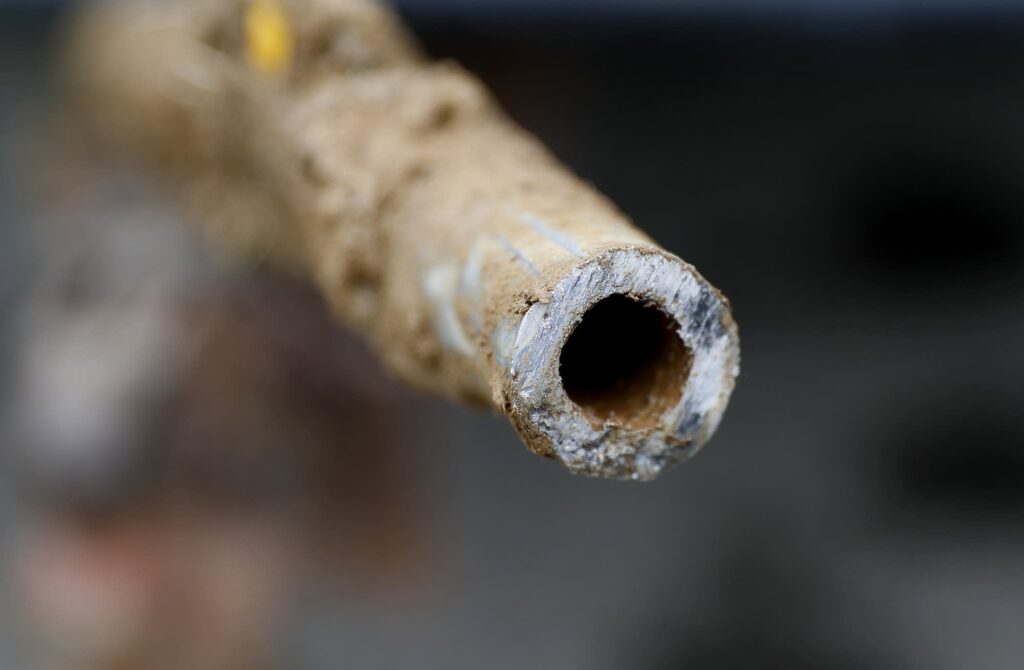
When building managers, homeowners, and environmental engineers discuss municipal heavy metal contamination, attention almost exclusively fixes upon legacy underground infrastructure, particularly full lead service lines. While subterranean utility mains represent an unquestionable public health hazard, tens of millions of structures harbor a secondary, equally pervasive contamination vector positioned directly beneath their sinks and inside their utility chases. Lead solder and legacy brass fixtures constitute an insidiously overlooked plumbing risk that continually leaches bioavailable neurotoxins directly into potable supplies at the point of use.
The physical integrity of residential and commercial drinking water relies not merely on raw municipal quality, but on the chemical interactions taking place across the final feet of delivery piping. For comprehensive building risk assessments and guidance on safeguarding occupant health, property owners routinely consult A Safe Tomorrow to navigate modern environmental compliance and indoor safety protocols. Understanding how subtle galvanic processes and historical metallurgy converge within domestic pipe networks is the first step toward neutralizing this persistent domestic threat.
The Metallurgy of Solder and Brass Alloys
To understand the scope of interior plumbing risks, one must examine the metallurgical history of modern pipe fitting. Prior to federal restrictions enacted in the late twentieth century, 50/50 tin-lead solder served as the absolute industry standard for joining copper water lines. This alloy, consisting of 50 percent tin and 50 percent elemental lead, was prized by tradesmen for its low melting point, exceptional capillary flow, and dependable mechanical bond. Although copper piping itself is inert under nominal conditions, every soldered elbow, tee, and coupling introduced an exposed ring of concentrated toxic metal directly into the hydraulic pathway.
Simultaneously, brass components—including shutoff valves, pressure-reducing valves, mixing manifolds, and architectural faucets—were fabricated using leaded red or yellow brass alloys. Metallurgists historically incorporated between 2 and 8 percent lead into brass formulations to optimize machinability and pressure tightness. Lead does not form a true chemical solution with copper and zinc within brass; rather, it segregates into microscopic, unbonded elemental globules scattered across the alloy’s crystalline grain boundaries. When chlorinated water flows past these metallurgical inclusions, the soft elemental lead readily shears, oxidizes, and migrates directly into solution.
The regulatory landscape underwent a foundational transformation with the 1986 Safe Drinking Water Act Amendments, which formally banned the installation of solder containing more than 0.2 percent lead and restricted plumbing fixtures to a nominal 8 percent lead threshold. However, fixtures containing up to 8 percent lead legally retained the label “lead-free” until federal legislation redefined that threshold to a weighted average of 0.25 percent across wetted surfaces in January 2014. Consequently, millions of properties constructed or renovated between 1986 and 2013 still feature fixtures that shed hazardous ionic residues into stagnant water columns.
Electrochemical Corrosion and Galvanic Leaching Dynamics
The extraction of toxic metals from plumbing joints is rarely a simple case of passive dissolution; it is primarily driven by electrochemical corrosion. Copper exhibits a standard reduction potential significantly higher than that of lead. When 50/50 tin-lead solder connects two sections of copper pipe, the two dissimilar metals establish a direct galvanic couple immersed in an electrolyte—tap water. In this configuration, the lead acts as an active sacrificial anode, while the surrounding copper pipe functions as an expansive cathode.
This galvanic imbalance dramatically accelerates the oxidation of elemental lead into divalent cations (Pb2+). The severity of this degradation depends closely on the water’s chemical balance, specifically its pH, dissolved oxygen, temperature, alkalinity, and chloride-to-sulfate mass ratio (CSMR). When drinking water exhibits an elevated CSMR—often exacerbated when municipal water authorities alter coagulants from alum to polyaluminum chloride—the electrochemical drive to dissolve lead solder escalates sharply, overpowering protective passivation films. Reviewing the federal Lead and Copper Rule demonstrates how regulatory mandates require public water systems to optimize corrosion inhibitor dosages, such as orthophosphates, to mitigate this electrochemical stripping.
Stagnation duration represents another critical kinetic variable. During periods of non-use—such as overnight or across commercial weekends—water rests motionless within pipes, allowing ionic exchange to continue unhindered. Within six to eight hours of stagnation, lead concentrations inside an unpassivated copper-solder junction or an aging brass valve body can surge by orders of magnitude, generating acute concentration spikes during the initial morning draw.
Biological Safety Mechanisms and Pharmacokinetics
From a biochemical perspective, there is no biological threshold below which lead ingestion is considered safe. Elemental and ionic lead serve zero constructive physiological purpose in the human body. Once consumed via contaminated water, divalent lead ions mimic calcium (Ca2+) and iron (Fe2+), allowing them to pass through active transport systems in the intestinal mucosal lining and breach cellular defenses throughout the body.
In circulating blood, roughly 99 percent of lead binds directly to erythrocytes, leaving the remainder dissolved in plasma where it distributes rapidly to soft tissues, including the kidneys, liver, and cerebral cortex. The nervous system is acutely vulnerable: lead readily breaches the blood-brain barrier by substituting for calcium in voltage-gated ion channels and activating protein kinase C. This molecular mimicry induces widespread oxidative stress, impairs synaptic pruning, disrupts long-term potentiation, and diminishes the synthesis of crucial neurotransmitters such as dopamine and acetylcholine.
The systemic consequences of chronic intake are documented by the EPA’s basic information about lead in drinking water, which highlights irreversible cognitive deficits, lowered IQ, attention disorders, and behavioral issues in pediatric populations. In adults, low-level chronic exposure correlates directly with cardiovascular disease, hypertension, reduced glomerular filtration, and impaired reproductive health. Because lead deposits inside the skeletal matrix—substituting for calcium within hydroxyapatite crystals—it generates an internal reservoir that persists for decades. The physiological hazards associated with systemic lead accumulation become pronounced during periods of elevated bone turnover, such as pregnancy, lactation, and osteoporosis, remobilizing stored toxins back into circulating blood.
Empirical Water Testing and Diagnostic Methodologies
Accurately identifying whether an indoor contamination profile originates from underground service lines, internal lead solder joints, or point-of-use brass faucets requires rigorous, sequential sampling protocols. Traditional single-draw sampling often fails to isolate specific mechanical failures inside complex structures.
To achieve diagnostic clarity, analytical laboratories utilize standardized profile testing. The process begins with a minimum six-hour stagnation period followed by a sequential series of discrete one-liter sample draws taken from the target fixture without intermediate flushing:
- First-Draw Sample (Draw 1): Captures the initial volume resting directly inside the faucet body, aerator, and local under-sink flex lines. Elevated readings here point definitively to leaching from leaded brass alloys, chrome-plated fixture components, or localized shutoff valves.
- Intermediate Draw (Draw 2 to 3): Reflects the water held within internal supply branches, branch tees, and risers. Spikes identified across these middle liters typically implicate 50/50 solder joints connecting interior copper lines.
- Purged Draw (Draw 4 to 6+): Captures the water residing in the exterior service line and connecting utility main after the entire indoor volume has flushed through.
Commercial facilities, healthcare centers, and hospitality venues face heightened exposure risks due to extensive plumbing networks and intermittent occupancy cycles. Implementing targeted investigative procedures such as professional hotel lead water testing in NYC allows enterprise operators to pinpoint localized metallurgical degradation and avoid unwarranted, costly municipal excavations. Testing samples must undergo analysis via Inductively Coupled Plasma Mass Spectrometry (ICP-MS) to ensure detection limits down to parts-per-billion (ppb) accuracy, verifying compliance with the most stringent municipal health codes.
Physical Remediation, Infrastructure Standards, and Protective Protocols
Once diagnostic testing confirms elevated heavy metal contributions from interior plumbing, facility managers must transition from investigative monitoring to structured remediation. Resolving internal plumbing hazards requires a multi-tiered approach that balances immediate physical interventions with durable mechanical overhauls.
Active Operational Flushing Protocols
Operational flushing provides an essential interim barrier against heavy metal ingestion. Because toxic ions accumulate primarily during periods of hydraulic stagnation, maintaining a structured flushing regimen significantly lowers morning exposure levels. In educational institutions, commercial offices, and multi-family residences, operational staff should implement automated or manual two-to-three-minute purge cycles on all cold-water drinking fixtures prior to daily occupancy. While flushing does not eliminate the physical source, it clears stagnant water that has spent hours in contact with galvanic couples and unpassivated brass bodies.
Mechanical Upgrades and Fixture Modernization
The only permanent resolution for internal contamination is the physical extraction and replacement of hazardous components. All pre-2014 plumbing fixtures, commercial bibbs, mixing valves, and brass backflow preventers should be inventoried and systematically upgraded. Modern replacements must carry certified compliance with NSF/ANSI Standard 61 (Annex G) and NSF/ANSI Standard 372, certifying a wetted-surface lead content below the statutory 0.25 percent cap. Where accessible, exposed copper runs joined with legacy 50/50 solder should be mechanically cut out and replaced using modern lead-free solders (typically tin-antimony or tin-silver-copper alloys) or modern mechanical press-connect fittings that utilize internal elastomeric seals without thermal joining alloys.
Point-of-Use and Centralized Filtration Engineering
When building-wide repiping is structurally or financially unfeasible, engineering controls must be installed directly at potable access points. Standard sediment screens and basic carbon taste filters are fundamentally incapable of sequestering dissolved divalent lead ions. Facility operators must deploy specialized filtration systems rigorously tested and certified under NSF/ANSI Standard 53 (Health Effects) for heavy metal reduction, or NSF/ANSI Standard 58 for reverse osmosis units. Solid carbon block filters infused with selective cation-exchange resins effectively trap ionic lead species through chemical adsorption, delivering polished, compliant drinking water directly to consumers.
To assist property managers and technical teams in designing comprehensive environmental mitigation plans, specialized compliance groups provide technical guides, testing rubrics, and diagnostic tools through their online environmental health resources portal. Maintaining meticulous documentation of all mechanical interventions and validation test results ensures sustained adherence to modern clean water benchmarks.
Strategic Risk Management and Next Steps
Managing the hidden liabilities of indoor water distribution requires vigilance, proactive diagnostics, and rigorous metallurgical engineering. Relying on the visual cleanliness of modern copper lines offers false security; toxic hazards often sit directly at the joint seams and within internal brass valves. By integrating multi-draw profile sampling, establishing automated flushing regimens, and prioritizing certified low-lead mechanical upgrades, asset managers and property owners can successfully eliminate point-of-use hazards.
Achieving long-term potability requires partnering with experienced environmental compliance professionals who can oversee sampling logistics, evaluate laboratory data, and direct certified mechanical interventions. Property owners looking to schedule comprehensive facility audits, analyze complex multi-tier plumbing networks, or modernize aging infrastructure can reach out directly via the team’s professional environmental compliance contact portal to safeguard occupant wellness and ensure absolute regulatory compliance across every fixture.