The Invisible Threat: Understanding Lead Dust in Modern Residential Spaces
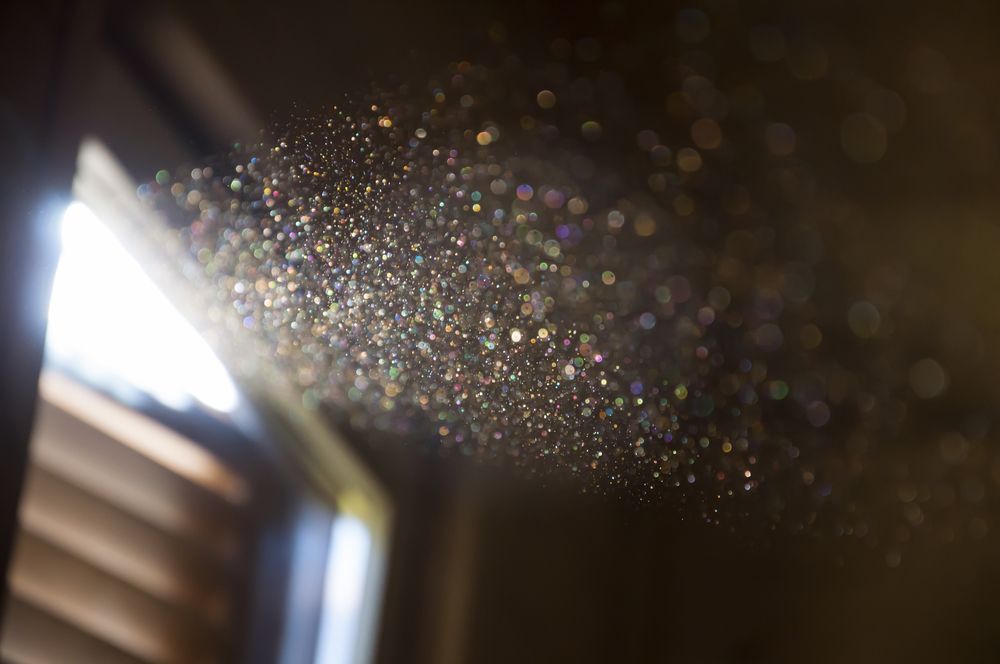
Lead dust remains one of the most persistent, insidiously toxic contaminants found in residential environments across North America. Unlike macroscopic paint chips or visible construction debris, microscopic lead particulate settles silently onto window sills, baseboards, carpeting, and hardwood flooring. In older homes—particularly those constructed prior to the 1978 federal ban on residential lead-based paint—friction surfaces such as double-hung sash windows, aging door jams, and high-traffic stairs continuously grind down legacy paint layers into an ultrafine, toxic aerosol. Understanding the physical reality of this hazard is the first step toward containment, as even trace amounts can yield severe health consequences when inhaled or ingested.
The physical chemistry of lead dust exacerbates its danger. Lead is an unusually dense metal, yet when friction or historical weathering breaks it down into sub-micron particles, it behaves like common domestic dust. It adheres tenaciously to smooth finishes via electrostatic forces and nests deep within porous substrates, soft textiles, and HVAC ductwork. Traditional cleaning methods such as sweeping with a broom or running a standard residential vacuum do not eliminate these particles; instead, they fracture aggregates into finer suspended aerosols, spreading toxicity into the breathable air column and dramatically increasing the risk of lead exposure among infants and adults alike.
Biological Safety Mechanisms: How Microscopic Particles Impact Human Physiology
The human biological architecture possesses no physiological threshold below which lead consumption is harmless. Once inhaled into the pulmonary alveoli or ingested through normal hand-to-mouth behaviors common in young children, lead ions cross biological membranes by molecularly mimicking essential divalent cations, primarily calcium, iron, and zinc. This bio-mimicry allows lead to hijack cellular ion channels, bypass the blood-brain barrier, and systematically disrupt neurotransmission, enzyme function, and cellular redox balance.
According to clinical health guidance provided by the Centers for Disease Control and Prevention lead prevention data, systemic absorption can induce irreversible neurological deficits, lowered IQ, behavioral shifts, and impaired executive function in developing brains. In adults, chronic low-level burdens contribute to cardiovascular hypertension, renal impairment, and reproductive complications. Ingestion risks are not solely restricted to paint surfaces; structural contaminants frequently enter domestic life through vintage dinnerware, imported cookware, and food contact surfaces, as comprehensively highlighted by the FDA guidelines on lead in food and foodwares. Because clearance rates from skeletal bone matrices span decades, eliminating ambient particulate from living spaces is critical.
Empirical Cleaning Protocols: Why Conventional Housecleaning Fails
The chemical and kinetic mechanics of lead dust demand scientific decontamination techniques rather than ordinary housekeeping routines. When standard dry dusting or broom sweeping occurs, kinetic energy launches settled sub-micron particles back into ambient circulation. Because lead particulate settles slowly due to aerodynamic drag, these particles remain airborne for hours, during which residents continuously breathe them in.
Furthermore, standard household bag or bagless vacuum cleaners utilize porous paper or generic filters that capture only larger dust mites and pet dander. Sub-micron lead particles bypass these filters entirely, blowing out through the vacuum exhaust motor as a concentrated toxic mist. Water-alone wiping is equally ineffective; lead particulate is hydrophobic and adheres to surfaces using electrostatic bonds and micro-abrasive friction. Plain water simply smears the particles across the floor, producing an even, invisible film of toxic residue upon drying.
Infrastructure Standards and Quantitative Clearance Thresholds
To establish whether an environment is safe following renovation, repair, or deep decontamination, environmental regulatory agencies have developed empirical surface wipe standards. Clearance wipe sampling measures contamination in micrograms per square foot (µg/ft²). Over the past decade, regulatory standards have grown increasingly stringent to match expanding toxicological evidence.
Modern safety protocols generally require surface wipe samples to measure below 10 µg/ft² on interior floors and below 100 µg/ft² on window sills. Window troughs, which endure continuous mechanical grinding during window operation, frequently present readings in the thousands of micrograms per square foot if left untreated. Meeting these stringent clearance standards requires homeowners and property managers to consult verified analytical protocols, professional inspection guidance, and educational materials compiled in comprehensive lead safety resources.
The Wet-Cleaning Triad: Specialized Detergents, Rinsing, and Substrate Isolation
Empirical decontamination relies on the validated Wet-Wipe, HEPA-Vacuum, Wet-Wipe (W-V-W) or the three-bucket wash-rinse method. Ordinary multipurpose sprays lack the chemical capacity to break lead bonds. Decontamination requires specialized detergents formulated with chelating agents, such as trisodium phosphate (TSP) or specialized lead-specific cleaning surfactants that chemically encapsulate heavy metal ions, holding them in liquid suspension so they can be physically lifted away.
To implement the three-bucket technique properly, prepare three separate basins: Bucket 1 contains the active chelating wash solution; Bucket 2 contains clean, warm rinse water; Bucket 3 is reserved for wringing out soiled wiping media. Using disposable, microfiber cloths or heavy-duty disposable shop towels prevents cross-contamination. Workers must wipe surfaces in a continuous, single-pass ‘S’ pattern, never back-and-forth, folding the cloth to expose a pristine face after every pass. Once all sides of the cloth have touched the substrate, discard it in a heavy-duty disposal bag. Never re-dip a soiled cloth into the wash solution.
True HEPA Filtration: Engineering Specifications for Safe Extraction
The mechanical workhorse of lead dust abatement is the authentic HEPA vacuum. It is vital to differentiate between marketing terms such as “HEPA-style” or “HEPA-type” filters and certified HEPA filtration systems. True HEPA (High-Efficiency Particulate Air) units are individually certified to capture 99.97% of particles down to 0.3 microns in diameter. In specialized lead remediation, professional-grade vacuums feature sealed canisters that prevent air bypass around the motor housing and exhaust.
Executing safe vacuuming requires a methodical approach. First, vacuum horizontal surfaces slowly, moving the floor tool no faster than one inch per second to give the intake velocity sufficient time to lift dense particles from crevices and baseboards. Vacuuming must follow an overlapping path, traversing each surface in north-south and east-west perpendicular grid patterns. Particular focus must be dedicated to porous carpets; embedded lead particles in carpet underlayment often require heavy agitator brush bars, slow multi-pass passes, or complete disposal if historical saturation is severe.
Step-by-Step Remediation Protocol: Decontaminating a Living Space
Executing a household decontamination requires systematic discipline, working methodically from top to bottom and clean to dirty zones:
Step 1: Isolation and Engineering Containment
Seal off the target room from the rest of the home. Turn off forced-air heating and air conditioning units, and cover supply and return registers with 6-mil polyethylene plastic sheeting secured with heavy painter’s tape. Lay down plastic walkways to prevent tracking lead through common corridors, and close all internal doors.
Step 2: Personal Protective Equipment (PPE) Setup
The individual performing the cleaning must wear an OSHA-compliant N100 or P100 half-mask elastomeric respirator to prevent inhaling aerosolized dust. Wear disposable nitrile gloves, safety goggles, and protective shoe covers. If heavy contamination is present, wear disposable polyethylene coveralls to prevent taking dust home on personal clothing.
Step 3: Systematic Top-Down HEPA Vacuuming
Always begin at the highest surfaces in the room and work downward. Vacuum ceiling fixture housings, picture rails, crown moldings, upper window frames, and window sills before touching lower baseboards and flooring. This top-down sequence ensures any dislodged particulate that escapes vacuum suction drops down to lower levels that will be cleaned subsequently.
Step 4: Chemical Wet-Wipe Extraction
Deploy the three-bucket system using lead-specific surfactant detergents. Wash ceiling trims, window glass, window sashes, sills, door frames, baseboards, and finally the floor. Change rinse water frequently; as soon as rinse water appears slightly cloudy, dump it properly and replenish it with fresh water. Never pour lead-laden cleaning wastewater into household storm drains.
Step 5: Secondary Final HEPA Vacuum Pass
Allow the surfaces to dry naturally and inspect for any residual streaks. Once moisture has fully evaporated, run a secondary pass with the HEPA vacuum across all hard floors, sills, and joints. This secondary extraction pulls out remaining microscopic debris mobilized by the wetting and drying cycles.
Beyond the Paint: Managing Secondary Lead Pathways in Older Structures
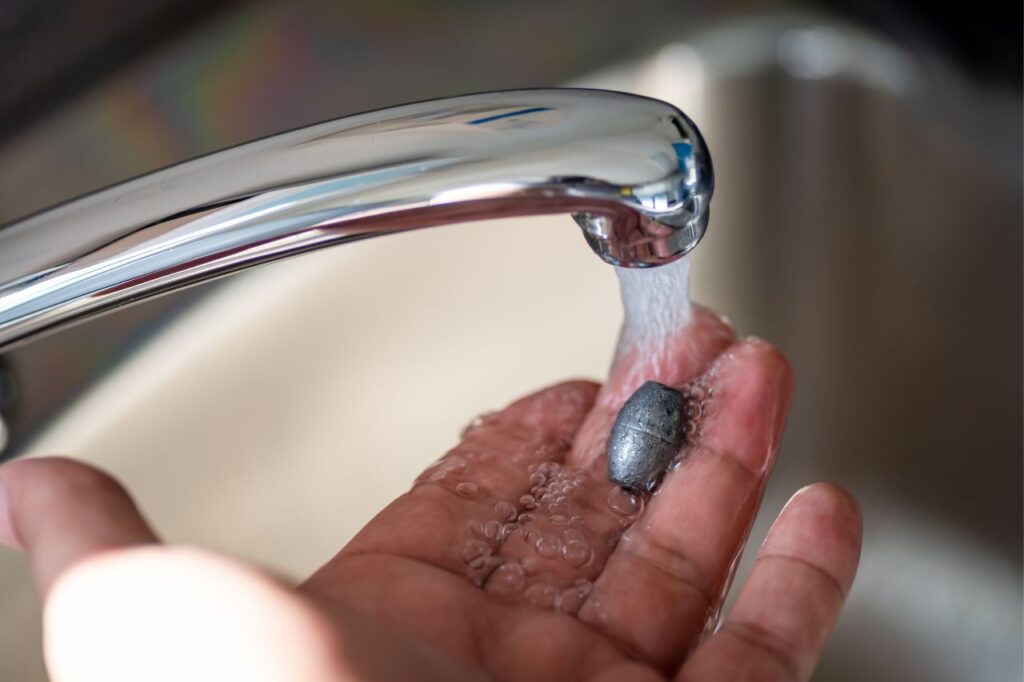
While friction paint surfaces generate the largest volume of indoor lead particulate, addressing airborne dust resolves only part of the domestic exposure landscape. Older residential piping, lead solder joints, and legacy service lines frequently introduce toxic dissolved metals directly into domestic tap supplies, creating significant ingestion pathways through drinking, cooking, and steam inhalation.
In dense metropolitan areas with historical infrastructure, plumbing systems often combine copper piping with legacy lead service connectors. Residents living in pre-war buildings regularly coordinate specialized NYC apartment lead water testing to definitively verify that drinking supplies meet municipal health standards. Ensuring water purity alongside clean interior air and surfaces prevents multi-vector ingestion and ensures comprehensive household health protection.
Verification and Ongoing Maintenance: Preventing Resurgence
Decontamination is not a one-time project; it requires ongoing verification and preventive surface maintenance. Homeowners should conduct semi-annual visual inspections of high-friction areas, looking for paint chipping along window sash runs, peeling closet door frames, and degraded baseboards. Immediate containment—such as applying specialty elastomeric lead-encapsulating paint over stable substrates—stops dust generation before it begins.
Residents with lingering questions regarding testing protocols, clearance wipe verification kits, or laboratory selection can review our detailed answers in the lead contamination and testing FAQ. When environmental contamination levels exceed household mitigation capacity or when structural renovations disturb significant square footage, contacting certified professional abatement teams is essential. You can consult directly with licensed environmental assessors via our professional lead safety contact portal to coordinate professional clearance sampling and safeguard your home permanently.