In the fields of preventive medicine and environmental engineering, establishing an accurate baseline is one of the most effective strategies for long-term risk management. A baseline lead test provides an objective, empirical reference measurement of heavy metal levels before major life changes, property renovations, or plumbing alterations occur. Without a documented baseline, determining whether an elevated reading reflects recent environmental contamination or long-standing chronic exposure becomes extraordinarily difficult for physicians, building managers, and homeowners alike.
Baseline testing operates across two complementary diagnostic domains: clinical screening of human blood levels and environmental evaluation of residential tap water and indoor dust. By capturing a clear snapshot of current conditions, individuals and families establish an authoritative benchmark against which all future environmental and physiological data can be accurately compared and clinically contextualized.
The Clinical Baseline: Pediatric and Adult Blood Testing
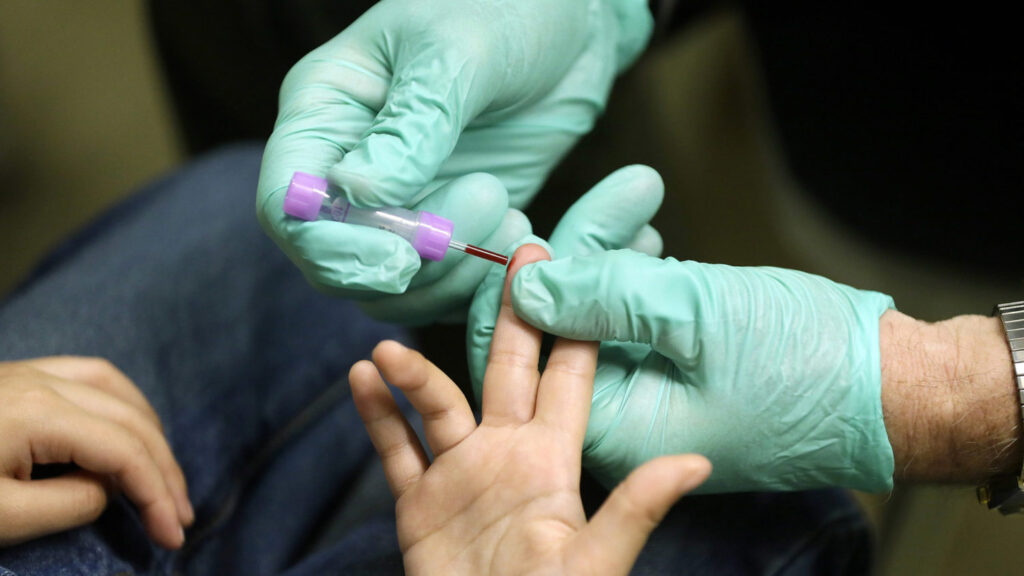
A clinical baseline lead test measures the concentration of lead circulating in the bloodstream, expressed in micrograms per deciliter (ug/dL). In young children, pediatric guidelines recommend establishing an initial baseline at twelve months of age, with follow-up screening at twenty-four months, to monitor toddlers as their physical mobility and exploratory hand-to-mouth behaviors peak.
For adults, clinical baseline testing is especially vital prior to undertaking major home renovations, starting occupational roles in construction, battery recycling, or plumbing trades, or when planning a pregnancy. Establishing a pre-renovation baseline allows adults to monitor whether their personal protective equipment and dust containment protocols are functioning effectively throughout the project.
Authoritative health resources provide clear scientific documentation regarding screening utility. The CDC lead prevention portal details clinical testing standards and highlights how modern screening protocols allow healthcare teams to intervene early before irreversible neurological damage occurs. Readers exploring clinical diagnostic pathways can visit our dedicated baseline testing resource section to understand how medical baselines interface with home safety planning.
Blood lead measurements reflect exposure occurring over the preceding thirty to forty-five days, which corresponds to the biological half-life of lead in circulating erythrocytes. Having a clean baseline prior to starting an interior remodel allows individuals to instantly prove whether subsequent symptoms or elevated counts resulted from project-related dust leakage or pre-existing background body burdens.
The Environmental Baseline: Water and Property Auditing
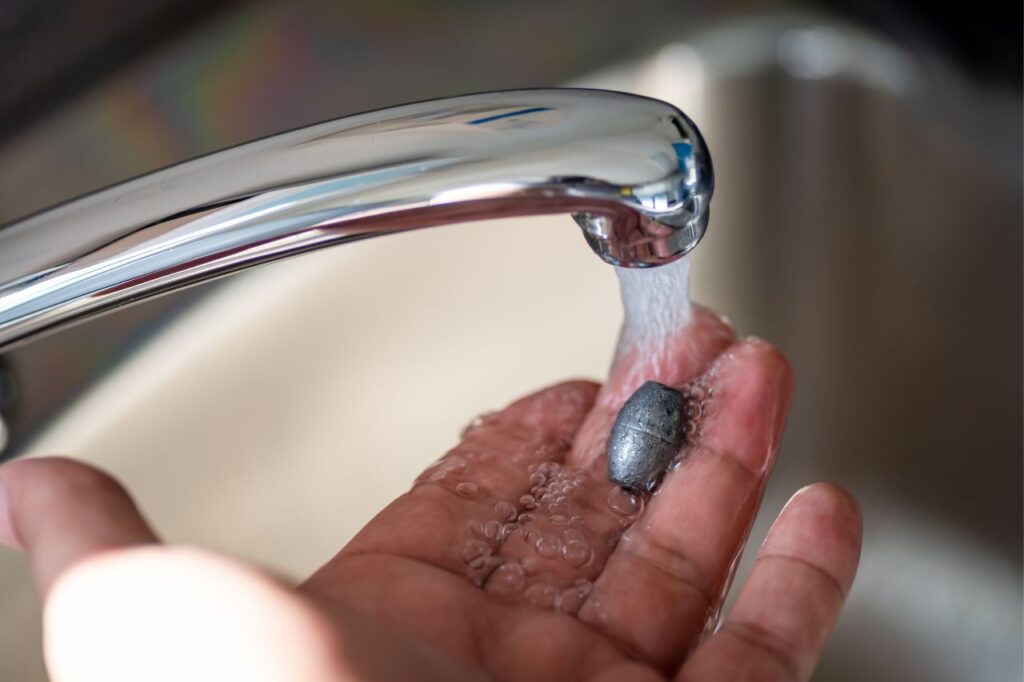
An environmental baseline measures the chemical quality of your primary drinking water taps and the dust burden present across living spaces. In municipal water networks, utility suppliers regularly adjust chemical corrosion inhibitors, balance pH levels, and perform underground main repairs. These external distribution changes directly influence how water chemistry interacts with older private service lines and household fixtures.
Conducting a formal environmental baseline requires collecting standardized first-draw and flushed water samples, submitting them to an accredited analytical testing facility, and archiving the formal laboratory report. If your municipality later conducts street excavations or your landlord replaces common plumbing risers, your preserved baseline document serves as legal and physical proof of historical water quality.
Modern environmental testing often encompasses broad chemical safety markers alongside traditional heavy metals. In older industrial corridors and urban residential districts, property managers frequently consult specialized Bronx PFAS water testing experts to screen potable supplies for emerging fluorinated compounds alongside standard lead and copper profiles.
Simultaneously, single-family homeowners and residential tenant associations regularly schedule independent lead water testing in the Bronx to obtain an unbiased, third-party laboratory verification of tap safety that operates completely independently of municipal utility sampling schedules. Reviewing these reports against clinical lead exposure parameters provides a holistic understanding of domestic safety.
Environmental testing also extends to baseline surface dust wipe sampling. Technicians use specialized wipe media across window sills and floor perimeters to measure lead dust loadings in micrograms per square foot. Establishing this baseline prior to moving into a newly leased property verifies whether prior tenants or landlords executed certified turnover cleaning.
Who Should Prioritize Getting a Baseline Test?
While baseline testing offers valuable peace of mind to any household, specific life situations and property milestones make establishing an immediate baseline particularly essential:
1. Expectant Parents and Families with Infants: Formula-fed infants consume substantial volumes of water relative to their modest body mass, meaning any contamination present in the tap contributes heavily to systemic biological absorption. Expectant mothers should establish both clinical and tap water baselines during early pregnancy planning.
2. Prospective Home Buyers and New Renters: When acquiring an older property or signing a multi-year residential lease in a pre-1978 building, establishing a water and dust baseline before moving furniture or occupancy begins protects your health and defines property conditions clearly.
3. Homeowners Planning Renovations: Demolishing kitchen walls, replacing historic sash windows, or replumbing bathrooms inevitably releases historical dust and dislodges mineral scales from old pipes. Testing before construction provides a clear comparative reference for post-renovation clearance.
4. Private Well Owners: Unlike municipal customers whose water is routinely tested by public utilities, private well owners bear complete legal and operational responsibility for their drinking supply. Annual baseline testing ensures aquifer shifts or casing corrosion are caught promptly. Consult the EPA private drinking water wells guide for seasonal sampling recommendations.
How to Organize and Preserve Your Baseline Records
A baseline test is only as valuable as the documentation you maintain. When your official laboratory certificate arrives, create a permanent digital and physical file in your household safety records. Note the exact date, faucet location, laboratory certification ID, analytical methodology, and numerical parts-per-billion findings.
If future retesting reveals a sudden increase in heavy metal concentrations—such as a jump from 2 ppb to 18 ppb following nearby utility water main repairs—your preserved baseline report provides the definitive evidence needed to demand municipal inspection or implement targeted point-of-use filtration. Homeowners seeking guidance on reading technical lab reports can browse our FAQ library for plain-language explanations of laboratory units and detection thresholds. To speak with our environmental testing team regarding certified sampling kits, visit our contact page.
Establishing baseline files also proves advantageous when selling residential real estate. Providing prospective purchasers with consecutive years of certified non-detectable water quality reports demonstrates conscientious property maintenance, helping streamline escrow disclosures and reassuring buyer concerns about older municipal piping infrastructure.
Long-Term Utility Monitoring and Infrastructure Shifting
Municipal water infrastructure undergoes continuous adjustments that can unpredictably alter tap water chemistry over time. When public utilities switch water sources, adjust disinfection chemicals, or modify pH balance, the protective mineral passivation scale inside older private plumbing lines can destabilize. A household that recorded acceptable water quality five years ago may suddenly experience elevated leaching if subtle chemical shifts dissolve internal pipe linings.
Maintaining an archived baseline file allows property owners to participate meaningfully in civic water safety discussions and detect utility-level anomalies before clinical health impacts emerge. Whenever local municipal water authorities announce significant capital improvements, roadway main excavations, or regional treatment facility overhauls, comparing post-construction water samples directly against your preserved baseline report confirms whether utility operations impacted your private drinking water quality.
Furthermore, real estate lease agreements across forward-thinking jurisdictions increasingly recognize environmental baselines as best-practice documentation for tenant transitions. When property owners provide certified proof of non-detectable water test results prior to lease signing, it builds immediate tenant trust, reduces liability regarding historical building materials, and establishes a clear legal standard for ongoing residential health protection.
Summary: Knowledge Is Preventive Power
Establishing an objective baseline eliminates uncertainty and provides a scientific foundation for your family’s health protection. Whether through a routine pediatric blood test or an accredited laboratory water analysis, gathering reliable baseline data today ensures that any environmental changes tomorrow can be recognized and addressed with decisive speed and absolute clarity.