The Hidden Dynamics of Residential Lead Contamination
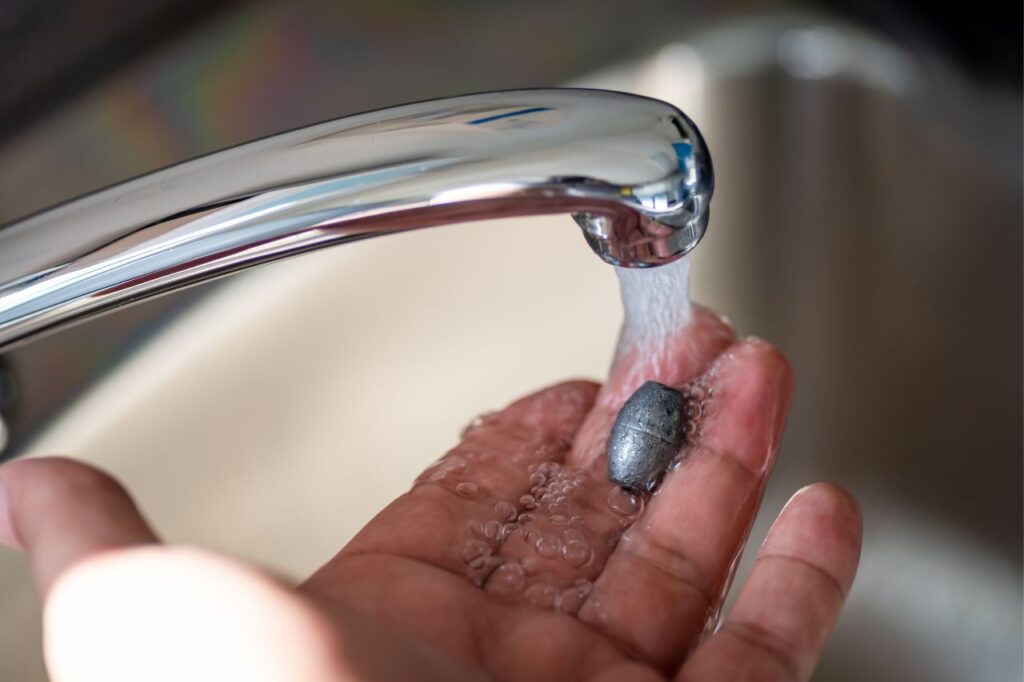
Lead contamination in residential drinking water remains one of the most persistent, insidiously quiet public health hazards in modern municipal infrastructure. Unlike organic contaminants or microbiological pathogens that introduce noticeable discoloration, turbidity, pungent odors, or metallic tastes, dissolved and particulate lead is completely imperceptible to human senses. A glass of tap water containing dangerous levels of toxic heavy metals can appear crystal clear and taste entirely benign. Because of this deceptive profile, establishing a proactive, science-backed schedule for retesting residential water is not merely good home maintenance—it is a critical biological safeguard.
Many homeowners and tenants assume that a single historical water test provides permanent peace of mind. If a test came back below actionable thresholds five years ago, the assumption is that the water remains uncontaminated today. However, the chemical and physical environment within residential plumbing and municipal distribution networks is dynamic, subject to seasonal shifts, mechanical wear, utility alterations, and subtle chemical variances. Understanding the necessity and frequency of water retesting requires examining how lead enters household supplies, how physiological mechanisms absorb it, and which infrastructure triggers demand immediate laboratory verification.
Toxicological Mechanisms and the Myth of Safe Thresholds
From an environmental toxicology standpoint, there is no verified safe blood concentration for heavy metals. Biological safety guidelines established by international authorities, such as the comprehensive reports on lead poisoning and health risks, emphasize that even trace exposures produce cumulative physiological harm over an individual’s lifespan. When ingested through drinking water, soluble lead crosses the intestinal mucosal membrane with alarming efficiency. In adults, roughly 10 to 15 percent of ingested lead enters systemic circulation, whereas in infants and young children, that gastrointestinal absorption rate can spike to an astonishing 40 to 50 percent.
Once introduced into the bloodstream, lead mimics calcium—a ubiquitous divalent cation that cells rely upon for signaling, enzymatic catalysis, and neuromuscular firing. Lead ions bind competitively to calcium-dependent receptor sites and regulatory proteins, crossing the blood-brain barrier to trigger neuronal apoptosis, impair neurotransmitter release, and blunt cognitive architecture. Over chronic periods, the human body sequesters circulating lead into skeletal bones and teeth. The insidious danger of chronic lead accumulation lies in its biological half-life: while lead clears from soft tissue and plasma in weeks, bone matrix stores persist for several decades, creating an endogenous reservoir capable of mobilizing back into the bloodstream during periods of physiological stress, pregnancy, lactation, or osteoporosis.
The clinical manifestation of this ongoing toxicity is broad and irreversible. Health summaries cataloged across clinical platforms detailing systemic lead poisoning symptoms highlight manifestations spanning chronic hypertension, renal tubule dysfunction, auditory processing deficits, severe neurodevelopmental delays, and behavioral disorders in pediatric populations. Because the biochemical damage occurs at thresholds well beneath the concentrations that cause acute gastrointestinal distress, scheduled analytical testing is the only definitive barrier separating families from chronic toxicity.
Infrastructure Origins: Where Water Meets Corrosive Plumbing
Municipal water authorities deliver water that is generally free of heavy metals when it leaves modern treatment facilities. The contamination occurs predominantly in the “last mile” of conveyance: the public and private infrastructure connecting the main distribution line under the street to the interior faucets of a home. The primary conduit for severe toxicity is the full or partial lead service line (LSL), widely installed across metropolitan developments throughout the late 19th and early-to-mid 20th centuries.
Even in structures without a lead service pipe, interior plumbing configurations often hide significant contributors. Interior copper piping installed prior to federal bans in the late 1980s was routinely joined using 50/50 tin-lead solder alloys. Furthermore, legacy brass fixtures, valves, and water meters manufactured before modern low-lead plumbing standards legally contained up to 8 percent lead by weight. Over time, these metallic components interface with drinking water through complex galvanic and chemical pathways.
Municipal water suppliers manage this hazard by dosing finished water with chemical corrosion inhibitors, such as orthophosphate, which react with dissolved metals to form an insoluble mineral passivation layer inside the pipes. This protective mineral crust prevents raw metal surfaces from contacting running water. However, the integrity of this crust is fragile. Alterations in water source, fluctuations in pH, shifts in dissolved oxygen, adjustments in disinfectant treatment (such as switching from free chlorine to chloramines), or changes in temperature can destabilize the mineral passivation scale. When scale dissolves or sloughs off, raw lead is exposed to drinking water, causing sudden spikes in dissolved and particulate metal concentrations.
Establishing Your Testing Schedule: Recommended Retesting Frequencies
Because chemical dynamics inside plumbing change continually, how often should a residential property test its water? While individual circumstances vary according to building age and plumbing materials, environmental health specialists follow specific empirical frequency schedules to maintain long-term safety.
1. Initial Diagnostic Baseline
Every household—regardless of whether it receives municipal water or private well water—must perform comprehensive baseline testing. This initial laboratory analysis establishes the property’s risk profile under standard conditions. Without a rigorous baseline profile, homeowners cannot identify whether future positive results represent gradual degradation, seasonal variations, or sudden infrastructure damage.
2. The Routine Annual Protocol for High-Risk Structures
For properties built prior to 1986, structures confirmed to have lead service lines, or homes plumbed with legacy copper-and-solder lines, annual retesting is the scientific standard of care. Twelve-month intervals ensure that subtle chemical changes occurring at the municipal level or internal plumbing corrosion are detected before sustained chronic lead exposure can impact the health of household members. An annual testing regimen should ideally be carried out during late summer or early fall, when warmer source water temperatures consistently increase pipe corrosion and accelerate metal leaching rates.
3. The Three-to-Five Year Maintenance Cycle for Low-Risk Homes
If your home was constructed after strict plumbing lead bans took effect, does not receive water through an older utility service line, and has demonstrated zero detectable concentrations across multiple consecutive analyses, the retesting frequency can safely be extended to every three to five years. This periodic check guards against deteriorating municipal trunk lines, newly installed replacement brass fixtures, and alterations in local groundwater chemistry.
Critical Triggers Demanding Immediate, Unscheduled Retesting
While regular calendar intervals form a foundational preventive safety net, several physical, environmental, and mechanical events disrupt plumbing systems and necessitate an immediate laboratory retest, regardless of when your last test was conducted.
Municipal Construction and Street Infrastructure Disturbances
Mechanical shocks caused by heavy road excavation, water main replacements, gas line installations, or street resurfacing send severe physical vibrations directly through underground utilities. These mechanical vibrations physically fracture the brittle mineral passivation crust lining older lead service lines, releasing high concentrations of toxic particulate lead directly into household taps. If extensive excavation work occurs on your street or adjacent to your property, retest your drinking water immediately following the completion of street work.
Partial Lead Service Line Replacement
In many metropolitan areas, municipal utilities replace the public portion of an older service line beneath the road while leaving the private section running under the homeowner’s property intact. This common practice introduces two serious risks: violent physical disruption of the remaining pipe scale, and the creation of a galvanic corrosion cell where new copper pipe is coupled directly to legacy lead pipe. The galvanic voltage between disparate metals aggressively drives lead dissolution into the water column. In older urban corridors, navigating utility testing requires specialized local laboratories; property owners often evaluate who can test my water for lead in NYC to obtain certified multi-draw sampling before and after complex utility overhauls.
Interior Plumbing Alterations and Fixture Replacements
Renovations that cut, solder, or shake internal residential plumbing shake loose particulate scale trapped within bends, pipe elbows, and older valves. Similarly, installing a new water heater or replacing main shut-off valves can release bursts of solder debris and dislodged scale into internal lines. After substantial interior plumbing work, water fixtures should be thoroughly flushed, and an unscheduled verification test should be performed within two to four weeks.
Changes in Source Water Chemistry or Utility Providers
Any official notification from your municipal supplier indicating a switch in primary reservoirs, adjustments to groundwater blending ratios, modifications in primary disinfection techniques, or violations of water treatment protocols warrants a timely follow-up analysis. As historical contamination incidents in multiple municipalities have proven, unexpected fluctuations in water treatment chemistry can dissolve passive linings and leach metals across entire distribution networks within weeks.
Household Demographic Changes
Whenever there is a pregnancy in the household or when an infant or young child moves into a residence, water testing should be conducted immediately, even if the scheduled annual window has not arrived. Fetal development and pediatric neurological growth are exceptionally vulnerable to heavy metal toxicity; proactive laboratory confirmation provides essential peace of mind before preparing baby formula or drinking municipal tap water daily.
Empirical Methodology: How to Collect Accurate Water Samples
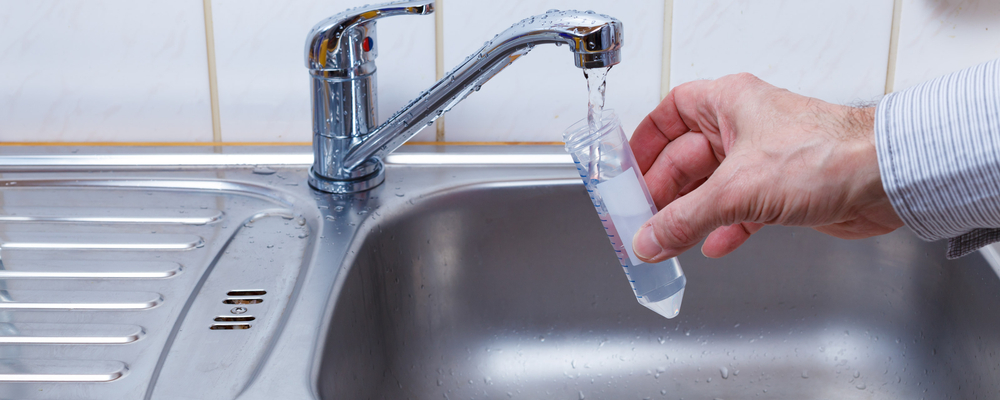
Water sampling protocols must be rigorous; an improperly collected sample can completely obscure high contamination levels or generate false negatives. Homeowners seeking definitive answers should bypass consumer colorimetric test strips, which lack the analytical sensitivity needed to detect low, chronic parts-per-billion (ppb) concentrations. Instead, water samples must be submitted to an environmental testing laboratory certified by the state or the National Environmental Laboratory Accreditation Program (NELAP).
Certified laboratories analyze samples using Inductively Coupled Plasma Mass Spectrometry (ICP-MS) or Graphite Furnace Atomic Absorption (GFAA), technologies capable of measuring trace metal levels down to sub-part-per-billion accuracy. To pinpoint the precise location of contamination within your plumbing, employ the multi-draw diagnostic method:
Step 1: The Six-Hour Stagnation Period. Water must sit completely undisturbed in the home’s plumbing system for a minimum of six hours (typically overnight). Do not run faucets, flush toilets, run dishwashers, or run washing machines during this stagnation window. Stagnation allows the water to equilibrate chemically with surrounding pipe surfaces.
Step 2: The First-Draw Sample (1 Liter). Immediately upon opening the primary kitchen tap in the morning, collect the very first liter of water without running it beforehand. This first-draw sample isolates metal concentrations leaching directly from the kitchen faucet fixture, its internal aerator, and the immediate interior pipe joint solder.
Step 3: The Intermediate and Flushed Profiles. After collecting the initial liter, continue running the water at a steady stream, capturing intermediate bottles at timed intervals, followed by a final fully flushed sample after several minutes of steady flow. The intermediate bottles characterize the vertical water columns sitting inside the interior riser pipes, while the fully flushed sample captures the water that has been resting directly inside the exterior service line out under the street.
Analyzing the differential concentrations across these separate bottles tells homeowners whether the contamination stems from interior brass faucets, solder seams inside the walls, or the primary buried utility line connecting to the city main. For answers to common procedural issues surrounding stagnation times and sample logistics, reviewing an environmental laboratory faq helps avoid errors that invalidate test results.
Data Interpretation and Protective Protocols
Once you receive a certified analytical laboratory report, evaluate the recorded numerical figures against scientific and health-based benchmarks. Environmental regulators set municipal treatment triggers—such as the Environmental Protection Agency’s historical 15 ppb Lead Action Level—as administrative benchmarks for large-scale corrosion control across entire water systems. However, pediatricians and toxicologists stress that municipal regulatory action levels are political compromises and do not represent biological safety thresholds. From a clinical perspective, any reading above 1 ppb indicates active leaching within the plumbing and should prompt corrective action.
If analytical testing detects elevated concentrations, several straightforward protective protocols should be enacted immediately:
Certified Point-of-Use Filtration: Install filtration devices certified explicitly under NSF/ANSI Standard 53 (for health effects) or NSF/ANSI Standard 58 (for reverse osmosis systems). Standard carbon pitcher filters designed solely for aesthetic taste and odor improvement cannot capture dissolved heavy metal ions; only certified ion-exchange and specialized membrane filters reliably pull heavy metals out of drinking water.
Targeted Cold-Water Flushing: Never draw water from the hot water tap for drinking, cooking, or infant formula preparation. Hot water heaters accelerate metal leaching and concentrate particulate heavy metals inside the water tank. Always draw water from the cold line, allowing it to run until it turns perceptibly colder before using it for consumption.
Fixture Upgrades and Full Abatement: If sampling isolates contamination to specific faucets or interior shutoff valves, replacing those units with modern certified lead-free plumbing components permanently mitigates that pathway. For legacy service lines, coordinating a complete, unified replacement of both public and private pipe segments offers the only permanent structural solution.
Water infrastructure is dynamic, aging every day alongside the chemical systems designed to protect it. By implementing a disciplined, scheduled retesting protocol—combining rigorous baseline evaluations, annual surveillance for older properties, and immediate sampling following infrastructure changes—homeowners replace dangerous guesswork with analytical certainty. Maintaining clean, lead-safe drinking water requires active vigilance, rigorous methodology, and consistent verification.