The Overlooked Vector: Heavy Metal Hazards in Traditional Crafts and Recreation
Recreational pursuits often serve as an intellectual retreat or physical escape from modern industrial pressures. However, several traditional crafts and sporting pastimes continue to rely heavily on elemental lead (Pb). Stained glass assembly, custom fishing tackle production, and firearm ammunition reloading or target shooting introduce significant toxicological risks into residential and semi-professional settings. Unlike commercial manufacturing environments, which are strictly regulated by occupational exposure limits, hobbyist spaces frequently lack specialized containment, engineering controls, and medical surveillance protocols.
Understanding the pathways through which hobbyists encounter toxic metals is critical to mitigating long-term systemic damage. The physiological risks stemming from chronic, low-level absorption are insidious, often progressing without overt symptoms until significant biological burdens develop. By examining the chemical and mechanical behaviors of lead across specific recreational activities, practitioners can implement rigorous engineering controls, personal hygiene protocols, and diagnostic monitoring routines to safely pursue their craft.
Toxicokinetics: Biological Safety Mechanisms and Metal Accumulation
Lead enters the human biological system primarily through two exposure pathways: inhalation of aerosolized fumes or particulate dust, and non-dietary ingestion via hand-to-mouth contact. Once absorbed into the bloodstream, elemental lead mimics divalent cations, particularly calcium and iron. This molecular mimicry allows it to readily cross cellular membranes, disrupt enzymatic pathways, and hijack normal calcium-dependent signaling within the central nervous system.
The kinetics of absorption and retention are categorized by physiological half-lives across different anatomical compartments. Blood lead levels (BLL) reflect equilibrium changes and acute uptakes over approximately 30 to 35 days. However, lead clears the bloodstream not by excretion alone, but largely through deposition into soft tissues and structural bone matrix. In trabecular and cortical bone, the elimination half-life spans decades. Hobbyists facing recurring dermal contact or inhaling micro-particulates inevitably experience deep-tissue retention. Comprehensive clinical insights into this phenomenon reveal how continuous cellular deposition leads directly to progressive lead accumulation in skeletal reserves.
When bone turnover accelerates due to aging, injury, pregnancy, or metabolic shifts, stored lead is remobilized into the bloodstream, causing systemic toxicity years after primary exposure ceases. The physiological consequences include nephrotoxicity, neurocognitive decline, cardiovascular hypertension, and impaired hematopoiesis through the inhibition of delta-aminolevulinic acid dehydratase (ALAD). Because there is no clinically safe threshold for blood lead in adults or children, active containment is vital to prevent regular lead exposure within home workshops and studios.
Stained Glass Artistry: Chemical Fuming, Abrasion, and Surface Deposition
Stained glass artisans encounter heavy metals across multiple stages of fabrication, primarily during came manipulation and soldering. Traditional structural came consists of extruded lead alloys, often mixed with small percentages of antimony, copper, or tin to increase rigidity. Cutting, stretching, and scraping this came generates microscopic metallic fragments that collect on workbenches, clothing, and flooring.
Soldering poses a dual hazard: particulate release and chemical flux reactions. Standard artisan solders typically feature a 60/40 or 50/50 tin-to-lead ratio. While the melting point of standard solder (approximately 183°C to 215°C or 361°F to 419°F) remains well below the vaporization point of pure elemental lead (1,749°C or 3,180°F), lead fuming nonetheless occurs within micro-environments directly adjacent to soldering iron tips operating between 370°C and 430°C (700°F to 800°F). Heated chemical fluxes—particularly zinc chloride or oleic acid formulations—create aggressive vapors that carry lead micro-particulates directly into the breathing zone.
Subsequent mechanical finishing processes compound this contamination. Applying patina chemicals (such as copper sulfate or selenium dioxide solutions) to oxidize soldered seams involves aggressive rubbing with steel wool or abrasive pads. This abrasion releases dry, lead-rich oxides into the immediate atmosphere. Without dedicated local exhaust ventilation, these fine particles settle on nearby tools, consumer surfaces, and personal attire, exposing artisans to continuous contact hazards.
Sporting Tackle and Munitions: Smelting and Ballistic Risks
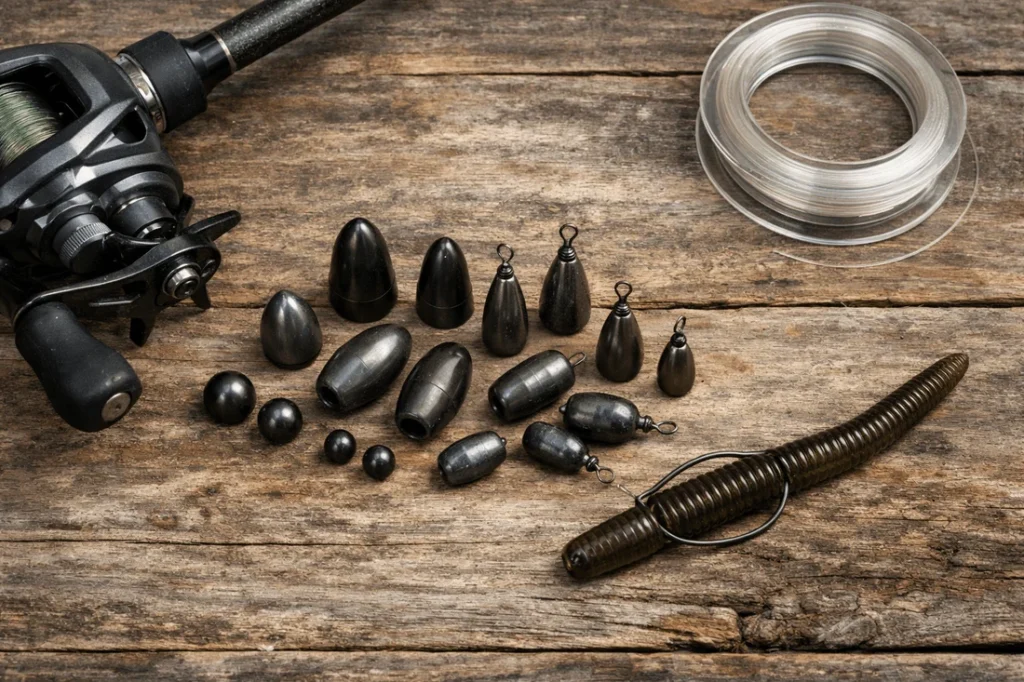
Anglers and shooting sports enthusiasts face distinct exposure vectors driven by high-temperature smelting, mechanical casting, and firearm ballistics. Anglers who cast their own sinkers, jigs, and drop weights frequently melt scrap lead—often sourced from contaminated automobile wheel weights or salvaged industrial pipes—using open electric melting pots or propane burners in residential garages.
Thermal Dynamics of Backyard Smelting
Smelting scrap lead presents immediate toxicological threats due to impurities and slag formation. When dirty lead reaches its melting threshold of 327.5°C (621.5°F), surface dross forms rapidly as oxides interact with grease, dirt, and foreign alloying elements. Removing this dross releases fine lead-oxide powder into the ambient air. Because outdoor breezes or open garage doors generate turbulent, uncontrolled air currents rather than laminar evacuation, operators routinely inhale elevated concentrations of aerosolized metal oxides during the skimming and pouring process.
Ammunition Reloading and Indoor Ballistics
Shooting sports enthusiasts encounter lead during casting, ammunition handloading, and range execution. The reloading process involves handling bare cast-lead bullets, cleaning spent brass cartridge cases, and manipulating primed components. Dry vibratory tumbling of spent brass is an exceptionally hazardous practice: primer compounds frequently contain lead styphnate, which deposits residue inside the cartridge case. Tumbling pulverizes this residue, transforming the walnut or corn cob media into a hazardous lead-dust carrier that disperses upon opening the tumbler bowl.
At firing ranges, ballistic discharge drives additional acute contamination. The detonation of lead styphnate priming mixtures creates an airborne lead aerosol expelled directly in front of the shooter. Furthermore, the frictional shear of unjacketed lead projectiles moving through rifled steel barrels at supersonic speeds vaporizes and strips metal from the bullet base. In poorly ventilated indoor ranges, these particulates remain suspended, presenting substantial respiratory risks to patrons and range officers alike.
Infrastructure Standards and Environmental Vector Control
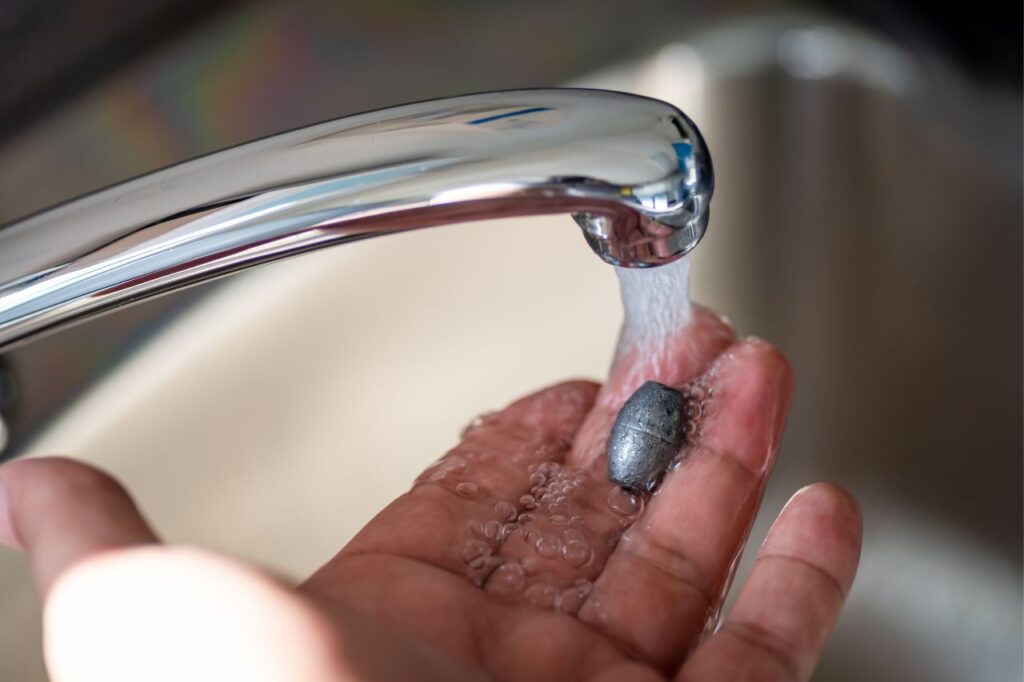
Environmental health within a hobbyist household cannot be viewed in isolation from municipal utility systems and surrounding infrastructure. Craftspeople frequently work in utility rooms, basements, or outdoor sheds where hazardous materials intersect with domestic plumbing networks. Cleaning tools, washing contaminated hands, or soaking finished glass panels in standard residential sinks introduces toxic particulates directly into domestic drainage systems.
Corrosion control and municipal pipe infrastructure dictate baseline metal loads in residential settings. Under federal statutory guidelines established by the Safe Drinking Water Act, public water utilities are mandated to manage corrosive indices to prevent heavy metals from leaching into domestic water supplies. Municipal monitoring protocols and annual transparency disclosures, such as those governed by the Consumer Confidence Report framework, provide citizens with verified water quality metrics to track baseline municipal contaminants.
Yet, localized plumbing dynamics in older urban residences can override municipal treatment efficacy. Solder installed prior to modern regulatory bans, legacy lead service lines, and internal brass fixtures introduce unpredictable contamination profiles. For instance, urban hobbyists working in historic domestic spaces may decide to get my Queens drinking water tested for lead to verify that internal plumbing fixtures and artisan runoff are not compromising the household supply. Preventing cross-contamination requires dedicated graywater interception and strict separation between artisan washing stations and culinary water infrastructure.
Practical Protective Protocols: Engineering, PPE, and Hygiene
Mitigating toxic chemical exposure in non-commercial environments requires the strict application of the industrial hygiene hierarchy of controls. Relying strictly on personal protective equipment (PPE) is insufficient; hobbyists must institute reliable physical barriers and engineering solutions to control hazards at the source.
Engineering Controls and Workspace Isolation
The working environment must be physically segregated from living and dining quarters. Workspaces require non-porous, easily cleanable surfaces. Unfinished wood workbenches, carpeting, and porous concrete floors act as reservoirs for heavy metal dust. Artisans should utilize stainless steel, tempered glass, or chemical-resistant mats that tolerate wet-decontamination methods.
Soldering, bullet casting, and tackle smelting demand localized negative pressure exhaust systems. Recirculating air filters are inadequate unless equipped with certified HEPA filtration capable of capturing sub-micron particulate matter (capturing 99.97% of particles down to 0.3 microns). For thermal operations like smelting, a dedicated ducted fume extractor routed directly to an exterior discharge point—away from open windows or HVAC intakes—is mandatory.
Personal Protective Equipment and Decontamination
Artisans must deploy targeted PPE configurations based on the physical state of the metal during each phase of work:
1. Respiratory Defense: Standard cloth or surgical masks offer no barrier against metal particulates. When conducting high-temperature pours, handling tumbling media, or polishing soldered joints, operators must wear tight-fitting half-mask respirators fitted with P100 particulate filters (or combined organic vapor/acid gas cartridges when aggressive flux fumes are present).
2. Dermal Barriers: Nitrile gloves provide an impermeable barrier against cold mechanical abrasion, flux handling, and spent primer residues. For high-heat casting, split-grain cowhide leather or aluminized safety gloves must be worn over thermal barriers to prevent direct contact with molten spatters.
3. Decontamination Hygiene: Standard bathroom soaps fail to break the electrostatic bonds that bind heavy metal residues to human skin. Hobbyists should stock specialized chelating decontamination soaps that chemically bond with and rinse away heavy metal ions. Furthermore, shop clothing must never be co-mingled with domestic laundry; apparel should be laundered separately or substituted with disposable Tyvek protective garments.
Empirical Diagnostics and Health Surveillance Protocols
Even the most meticulously designed safety systems require objective verification through clinical testing. Chronic absorption can occur silently through minor procedural errors, compromised seals, or unrecognized hand-to-mouth transfers. Relying on physical symptoms—such as fatigue, cognitive fog, joint pain, or gastrointestinal discomfort—is dangerous, as clinical manifestations typically signal advanced physiological burdens.
Artisans should establish a diagnostic monitoring schedule before undertaking regular heavy-metal work. Securing an objective baseline testing panel enables craftspeople and their physicians to accurately quantify pre-existing systemic markers prior to occupational exposure. Following baseline establishment, venous blood tests should be repeated semi-annually or annually depending on activity frequency.
When evaluating laboratory metrics, hobbyists must recognize that federal occupational standards (such as OSHA’s standard medical removal threshold of 50 μg/dL for general industry) were designed decades ago and do not align with modern medical science. The Centers for Disease Control and Prevention (CDC) and the National Institute for Occupational Safety and Health (NIOSH) recognize blood lead levels above 5 μg/dL as elevated in adults, recommending targeted exposure interventions to prevent cumulative organ injury.
Beyond clinical monitoring, environmental surveillance provides rapid feedback on containment efficacy. Utilizing rhodizonate-based surface swab kits allows artisans to test workbenches, door handles, steering wheels, and personal electronics for fugitive lead dust. Furthermore, hobbyists seeking clear answers on safe containment measures and regulatory standards can consult a detailed faq on contamination pathways to systematically isolate and neutralize residential risks.
Fostering Sustainable, Safe Craftsmanship
Engaging in historical crafts and specialized shooting sports does not require accepting heavy metal poisoning as an inevitable byproduct of participation. By respecting the chemical, thermal, and biological pathways of elemental lead, artisans and sportsmen can safeguard their long-term health while preserving traditional fabrication techniques. Implementing engineering controls, adopting professional personal protective standards, separating hobby spaces from living quarters, and performing empirical diagnostic testing ensures that recreational pursuits remain sustainable, rewarding, and biologically safe for decades to come.