Homes constructed before 1978 possess undeniable architectural charm, featuring solid timber framing, intricate molding, and enduring craftsmanship that modern tract homes rarely replicate. However, beneath those classic finishes lies a ubiquitous environmental legacy that demands careful ongoing stewardship. Until the federal Consumer Product Safety Commission instituted a nationwide ban on residential lead-based paint in 1978, heavy lead pigments were widely incorporated into interior and exterior architectural coatings to accelerate drying times, boost moisture durability, and create rich, long-lasting color profiles.
Today, an estimated thirty-four million homes across the United States still contain lead-based paint on interior surfaces, exterior siding, porch railings, or window assemblies. When these legacy finishes remain fully intact, sealed beneath modern coatings, and undisturbed, they generally pose minimal active risk. But when paint ages, chips, peels, or endures ongoing mechanical friction, it degrades into an invisible, toxic dust hazard that settles throughout living spaces and threatens residential health.
The Physics of Friction and Deterioration
Many homeowners mistakenly believe that lead paint hazards only occur when paint visibly flakes off ceilings or walls in large, noticeable chips. In reality, the most hazardous and pervasive route of exposure is microscopic paint dust generated through daily structural friction. Every time an older double-hung wooden window is opened or shut, the friction between the wooden sashes and the window jamb pulverizes historic paint layers into ultra-fine particles.
Similar friction occurs along older interior door frames, baseboards in high-traffic hallways, and wooden floorboards beneath heavy footwear. These microscopic dust particles are far too small to be seen with the naked eye, easily suspended in the air by normal foot traffic and heating airflow before settling quietly onto carpets, furniture upholstery, and children’s toys.
Federal environmental regulations provide precise standards for managing historic building materials safely. The EPA Renovation, Repair, and Painting program mandates that contractors working in pre-1978 homes use certified lead-safe work practices, including heavy plastic containment zones, specialized HEPA filtration exhaust systems, and thorough post-renovation cleanup protocols. Understanding the physiological realities of lead accumulation underscores why even trace dust inhalation must be vigorously prevented.
Atmospheric degradation also plays a major role on exterior building envelopes. Sun-facing exterior walls and ornate porch pillars endure seasonal thermal expansion, freezing moisture cycles, and ultraviolet photolysis. This chronic weathering breaks down paint polymers into a chalky, powder-like residue that washes into peripheral foundation soil during heavy rainstorms, creating an enduring perimeter soil hazard.
Overlapping Domestic Risks: Paint Dust Meets Aging Plumbing
One of the most critical oversights in older residential management is addressing paint hazards in total isolation from the property’s plumbing infrastructure. Homes constructed during the peak eras of lead-based paint usage—particularly between 1900 and 1960—were almost universally plumbed using lead service lines, galvanized iron pipes joined with lead solder, or heavy brass fixtures containing substantial lead percentages.
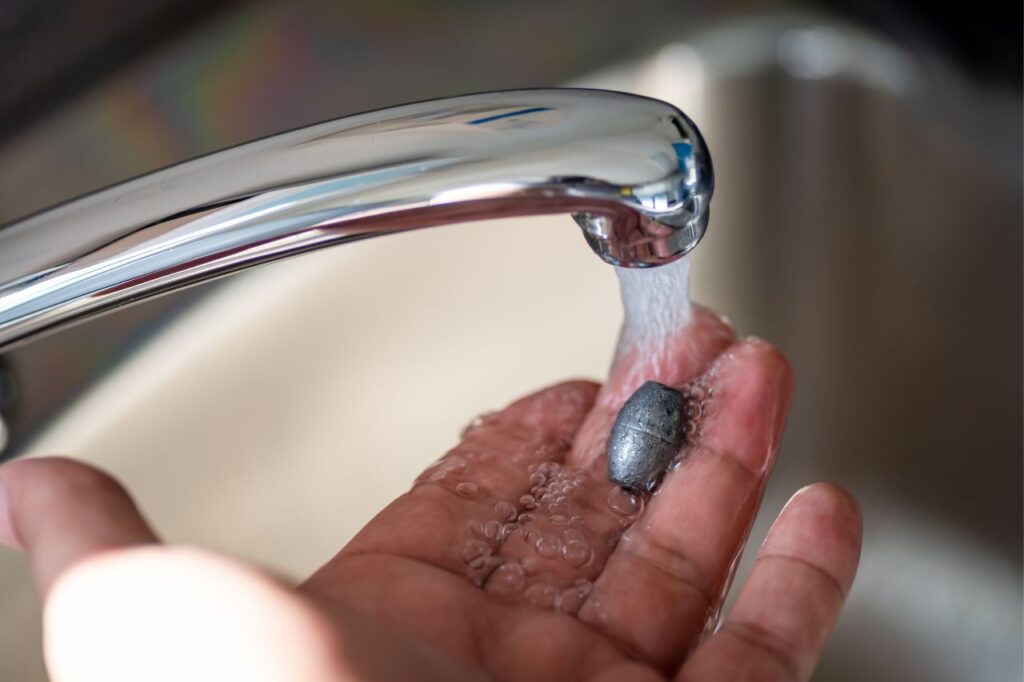
When older architectural coatings deteriorate, paint dust settles onto outdoor soil, porch steps, and indoor surfaces. Simultaneously, water sitting overnight inside vintage plumbing absorbs dissolved heavy metal ions, creating a multi-faceted environmental burden. In dense metropolitan districts where pre-war building stock dominates the residential landscape, co-op boards and private townhouse owners routinely contract water testing services for lead in Manhattan to ensure internal potable risers are evaluated alongside architectural surface inspections.
Similarly, homeowners across neighboring residential boroughs frequently arrange Domestic water testing in Queens to evaluate detached single-family plumbing systems and confirm that kitchen tap water remains uncompromised while paint containment projects are underway. Comparing your home’s water quality against broad lead exposure vectors ensures your family is comprehensively protected across all major domestic ingestion routes.
When dual exposure routes operate simultaneously, cumulative biological burdens rise exponentially. Children who inhale low concentrations of dust from window sills while drinking unmitigated tap water absorb toxic metals through both pulmonary and gastrointestinal pathways, overwhelming natural clearance mechanisms and accelerating tissue deposition.
Recognizing High-Risk Architectural Surfaces
Conducting a structured visual walkthrough of your pre-1978 property helps you identify which architectural components warrant immediate professional attention. Focus your attention on these primary areas:
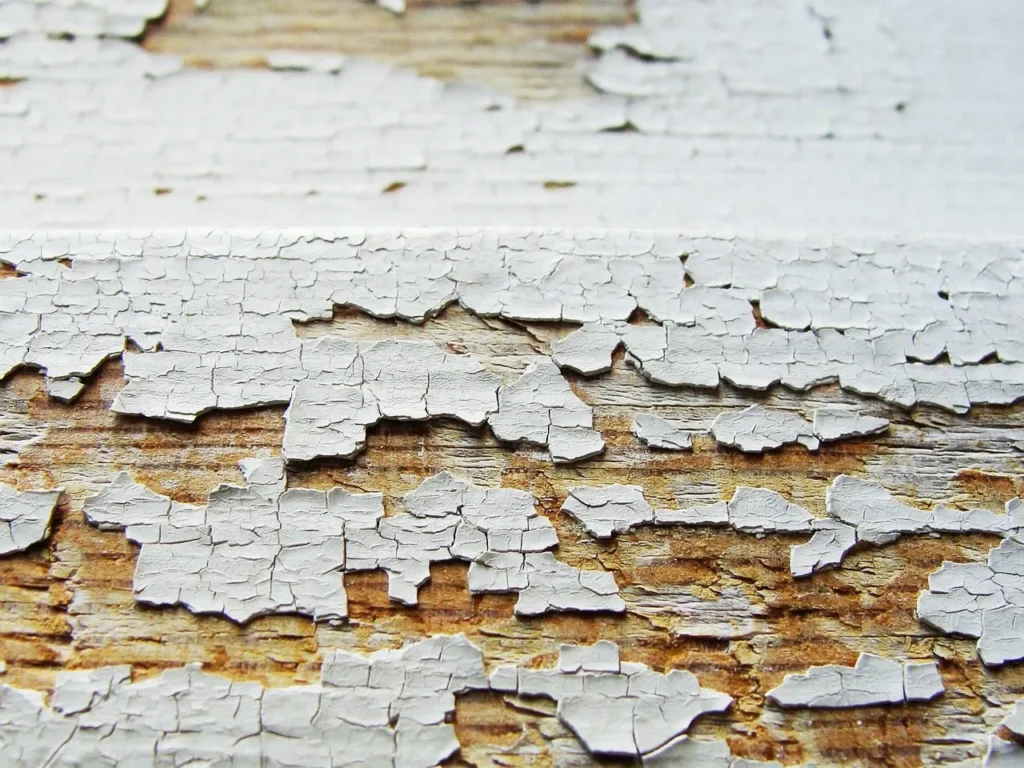
1. Window Sashes, Sills, and Troughs: Inspect the horizontal wooden sills and exterior window troughs where sashes slide. Look for characteristic “alligatoring”—a cracked, scale-like pattern typical of aging lead oil paint—as well as fine gray or white dust accumulation along the lower track.
2. Interior and Exterior Doors: Examine the strike plates, door edges, and hinge mortises. These high-impact contact zones continually grind down legacy paint coatings every time a door is closed firmly.
3. Exterior Porches and Eaves: Weathered exterior paint exposed to rain, ultraviolet sunlight, and freezing winter temperatures chalks rapidly, washing down into adjacent garden soil or blowing onto entryway welcome mats where it is tracked indoors on shoe soles.
For authoritative medical and scientific insights regarding exposure vectors, consult the comprehensive NIEHS lead research and health topics portal. Property owners looking for clear diagnostic frameworks can explore our resources page to download lead-safe maintenance checklists.
Safe Cleaning Practices for Historic Homes
Maintaining an older home requires abandoning traditional dry dusting and dry sweeping techniques, which actively disperse settled toxic dust throughout your indoor air. Implement these specialized cleaning practices to safeguard your indoor environment:
Always employ a two-bucket wet cleaning method for painted surfaces and bare flooring. Fill one bucket with a specialized lead-specific cleaning detergent or general all-purpose cleaner, and reserve the second bucket for clean rinse water. Use disposable microfiber cloths to wipe down window sills, working in a single, overlapping direction to trap settled dust rather than scrubbing it back and forth.
Upgrade your household vacuum to a true HEPA-rated unit with sealed internal gaskets. Standard consumer vacuums allow fine sub-micron dust particles to pass directly through the motor exhaust and spread back into room air. Never sand, scrape, or heat-gun older paint surfaces without professional containment and negative air pressure systems. If you need professional advice regarding certified lead risk assessors or accredited testing laboratories, visit our contact page to speak with our technical team.
Regularly evaluate temporary stabilization options such as encapsulating paint sealants. Specialized elastomeric encapsulation coatings bond to intact lead paint layers, forming a thick, durable polymer shield that prevents friction dust from generating. However, encapsulation requires careful substrate preparation and should only be applied to structurally sound paint that shows no signs of active peeling or underlying water damage.
Soil Deposition and Track-In Dynamics
Exterior paint deterioration does not remain confined to architectural trim; it continually migrates into surrounding soil through natural precipitation and wind weathering. Decades of rainwater washing down exterior walls create a concentrated band of contamination—often referred to as the drip line—in the soil immediately adjacent to foundation walls. Soil lead concentrations within three to five feet of older homes frequently exceed several thousand parts per million, creating a hidden hazard for vegetable gardens and outdoor play areas.
When children and family pets play in exterior yards, contaminated soil clings to footwear, dog paws, and toys, inadvertently transferring high-potency dust across indoor entryways. Placing heavy bristle scraper mats outside all exterior doors, adopting a strict indoor shoe removal policy, and planting dense grass or spreading wood chips over exposed perimeter dirt creates an effective physical barrier that halts tracking before heavy metals reach indoor living spaces.
Summary and Long-Term Stewardship
Living in a historic pre-1978 property can be deeply rewarding, but it requires mindful stewardship and proactive environmental defense. By maintaining intact paint coatings, practicing wet-cleaning protocols, and testing your drinking water to catch concurrent plumbing leaching, you can preserve the architectural beauty of your home while ensuring your household remains safe from unseen heavy metal hazards for generations.