Introduction: The Clinical Importance of Evaluating Blood Lead Levels
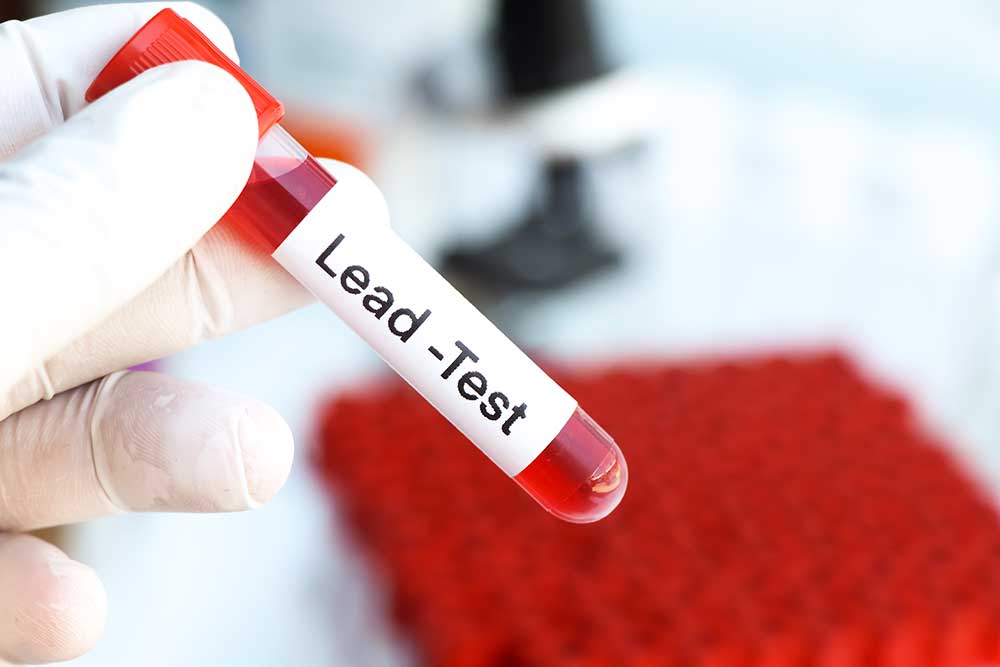
A blood lead level (BLL) test is the primary diagnostic instrument used to quantify circulating heavy metals within human biology. Despite decades of regulatory phase-outs across consumer paints, automotive fuels, and domestic plumbing fixtures, environmental toxicity remains a prevalent public health issue. Environmental toxicologists, clinical toxicologists, and occupational health practitioners regard blood analysis as the gold standard for intercepting acute toxicity and persistent low-level contamination. Because heavy metals exhibit no benign physiological threshold, understanding how to undergo empirical clinical evaluation offers critical peace of mind and concrete pathways toward toxicological intervention.
Preparing for this diagnostic procedure requires an appreciation of toxicokinetics, specimen collection methods, laboratory instrumentation, and source mitigation. Whether ordered as an occupational surveillance screening, routine pediatric check, or diagnostic step following suspect plumbing fixtures, clinical evaluation provides actionable numerical data. Patients often arrive with significant apprehension regarding needles, dermal decontamination requirements, or laboratory turnaround times. Familiarizing oneself with clinical steps helps demystify the visit, ensuring proper preparation and precise laboratory outputs.
Clinical surveillance frequently begins when an individual encounters contaminated dust, aging building materials, or degraded water service lines. Identifying modern pathways of lead exposure enables healthcare providers to calculate cumulative vulnerability before permanent systemic injury develops. In this comprehensive guide, we explore the biology of heavy metal transport, compare fingerstick versus venipuncture procedures, detail appointment timelines, and clarify remediation protocols following a confirmed laboratory report.
Biological Mechanisms: How Heavy Metals Behave in Human Tissue
To understand the clinical significance of a blood test, one must analyze how heavy metals circulate after entering human physiology. Once inhaled via microscopic dust or ingested through municipal tap water and contaminated soils, lead rapidly enters the bloodstream via pulmonary alveoli or gastrointestinal enterocytes. In systemic circulation, more than 99 percent of lead ions bind directly to erythrocytes (red blood cells), attaching predominantly to proteins such as delta-aminolevulinic acid dehydratase (ALAD). Only a minuscule fraction remains free within blood plasma to migrate across semipermeable cellular membranes into vascularized organs.
Because lead mimics divalent calcium cations (Ca2+) and zinc (Zn2+) at the molecular level, it easily penetrates the blood-brain barrier and interferes with critical intracellular pathways. It disrupts neurotransmitter synthesis, activates inappropriate protein kinase C enzymes, and triggers oxidative stress through the generation of reactive oxygen species (ROS). Uncontrolled cellular oxidation damages phospholipid membranes and induces mitochondrial apoptosis across vulnerable renal tubular cells and cerebral neurons.
The body possesses clear clearance compartments governed by complex pharmacokinetics. The biological half-life of lead in circulating blood is approximately 28 to 36 days in healthy adults. However, once circulating lead deposits into soft tissues (such as the liver, kidneys, and cerebral cortex), it gradually transfers into cortical and trabecular bone matrices. In skeletal structures, the elemental half-life extends anywhere from 10 to over 30 years. Consequently, a diagnostic blood evaluation acts as an accurate indicator of ongoing or recent acute exposures, while continuous lead accumulation in skeletal stores poses long-term mobilization risks during periods of high bone turnover, such as pregnancy, lactation, advanced age, or hyperthyroidism.
Diagnostic Testing Modalities: Capillary Fingerstick vs. Venous Phlebotomy
When arriving at a clinical laboratory or outpatient collection center, patients typically encounter one of two primary specimen collection methods: capillary blood sampling or venous blood collection. Both modalities possess distinct logistical advantages, precision thresholds, and prep protocols.
Capillary Blood Sampling (Fingerstick / Heelstick)
Capillary testing involves a rapid, minimally invasive lancet puncture to the lateral aspect of a fingertip (or the heel in infants under six months). It is frequently utilized in community health fairs, school screenings, and pediatric wellness checkups due to its low procedural barrier and micro-volume requirement. A phlebotomist collects several drops of peripheral capillary blood into an EDTA-coated microtainer or places them directly onto an analytical test strip for rapid point-of-care electrochemistry.
While convenient, capillary sampling carries a substantial susceptibility to false-positive artifacts. Ambient residential dust, industrial workplace fallout, or contaminated tap water residue clinging to dermal grooves can contaminate the punctured skin. If skin is improperly sterilized, trace external metals enter the microtainer, falsely elevating analytical readings. Because of this contamination vulnerability, clinical protocols mandate that any elevated capillary result must undergo confirmatory venous phlebotomy before a formal medical diagnosis is established.
Venous Phlebotomy
Venous phlebotomy represents the undisputed clinical benchmark for diagnostic precision. In this procedure, a certified phlebotomist inserts a sterile needle into the antecubital vein of the arm, drawing whole blood directly into a specialized, metal-free evacuation tube (frequently a tan-top or royal-blue-top tube certified free of trace elemental impurities). Because venous blood is drawn directly from the systemic vasculature through closed sterile conduits, surface epidermal contamination is virtually eliminated.
Venipuncture requires greater technical skill, adequate hydration for vein visibility, and patient cooperation. However, it yields an uncontaminated whole-blood volume sufficient for advanced diagnostic confirmatory methodologies, including Graphite Furnace Atomic Absorption Spectroscopy (GFAAS) and Inductively Coupled Plasma Mass Spectrometry (ICP-MS), which detect toxic elements at limits as low as 0.1 micrograms per deciliter.
Preparing for the Appointment: Protocols and Practical Steps
Proper clinical preparation eliminates diagnostic artifacts, alleviates patient anxiety, and ensures smooth sample acquisition. While a blood lead screening does not require complex physiological interventions, several key guidelines should be followed prior to arriving at the clinic.
Unlike metabolic panels or lipid profiles, an elemental blood screen does not necessitate caloric restriction. Fasting is neither required nor recommended; eating balanced, nutrient-dense meals prior to testing stabilizes blood glucose and minimizes feelings of vasovagal lightheadedness during phlebotomy. However, patients should consume substantial volumes of water during the 12 to 24 hours preceding the appointment. Robust vascular hydration expands peripheral blood volume, improves intravenous hydrostatic pressure, and enhances the visibility and plumpness of antecubital veins, facilitating swift and painless needle insertion.
The primary clinical objective during pre-test preparation is preventing dermal surface contamination. Patients must observe rigorous hygiene regimens:
1. Dermal Cleansing: Prior to departing for the laboratory, wash hands, wrists, and forearms thoroughly using warm running water and liquid detergent soap. Avoid powdered hand soaps or harsh industrial cleansers that might contain mineral abrasives or trace elemental binders.
2. Clothing Selection: Wear freshly laundered, loose-fitting clothing with sleeves that roll comfortably past the elbow. Individuals exposed to industrial sites, firing ranges, stained-glass fabrication, or battery repair shops must never wear occupational work clothing into the phlebotomy bay, as microscopic textile dust transfers easily to skin.
3. Pediatric Preparation: Children should be informed in gentle, age-appropriate language that they will receive a quick, minor pinch that helps ensure their body is strong and healthy. Cleaning the child’s hands immediately before entering the phlebotomy room reduces the potential for external dust transfers if a capillary stick is performed.
Step-by-Step Breakdown: What to Expect During the Appointment
Navigating an unfamiliar clinical environment is straightforward when patients understand the operational sequence of specimen acquisition. A standard outpatient screening appointment proceeds through four distinct stages:
Patient Verification and History Intake: Upon arrival, clinical staff verify identity, process laboratory requisitions, and record occupational or residential exposure risks. Clinicians often inquire about the age of the patient’s domicile, recent plumbing repairs, hobbies involving solder or glazes, and known structural renovations.
Antisepsis and Dermal Decontamination: The phlebotomist positions the patient comfortably in a phlebotomy chair with supportive armrests. The practitioner conducts a meticulous local cleaning of the puncture site. For capillary checks, the healthcare worker uses an alcohol prep pad followed by a sterile gauze dry wipe, ensuring no residual isopropyl alcohol dilutes the microtainer sample or lyses erythrocytes. For venipuncture, the antecubital fossa is cleansed in concentric circular patterns with an antiseptic wipe and allowed to air dry completely.
Specimen Collection: For venipuncture, a temporary tourniquet is applied to engorge the vein. The phlebotomist guides a sterile gauge needle smoothly into the lumen of the vessel. The tan-top or royal-blue-top vacuum tube fills with several milliliters of whole blood. The tourniquet is released, the needle is withdrawn, and direct physical pressure is applied using sterile gauze. The entire procedural draw lasts fewer than sixty seconds. Capillary collections proceed with an automated lancet puncture, the wiping away of the very first blood drop (which contains interstitial fluid), and the controlled collection of secondary free-flowing blood droplets.
Post-Draw Hemostasis and Tube Inversion: Direct mechanical pressure is maintained over the venipuncture site for several minutes until hemostasis is complete, followed by the application of an adhesive bandage. Simultaneously, the phlebotomist immediately inverts the blood tube 8 to 10 times to thoroughly distribute the anticoagulant EDTA, preventing micro-clot formation that could interfere with mass spectrometer aspiration.
Understanding Laboratory Results and Toxicological Reference Levels
Specimens travel to accredited analytical laboratories where technician specialists run high-resolution spectrometry. Results are reported quantitatively in micrograms per deciliter (μg/dL). Interpreting these laboratory values requires consulting federal public health standards and toxicological benchmarks.
Modern medical consensus states unequivocally that there is no safe or physiological blood lead level in human beings. Every detectable microgram reflects exogenous environmental contamination. For pediatric populations, public health authorities rely on a blood lead reference value (BLRV) to identify infants and children whose circulating concentrations sit in the top 2.5 percent of national distributions. The current CDC reference threshold is 3.5 μg/dL. When pediatric screening reveals levels equal to or exceeding 3.5 μg/dL, it triggers clinical monitoring, environmental assessments, and home inspections.
For adults, occupational safety frameworks historically allowed higher ceilings, but contemporary guidelines recommend keeping circulating concentrations below 5 μg/dL to prevent cardiovascular complications, chronic hypertension, and nephrotoxicity. Levels exceeding 20 to 40 μg/dL require removal from occupational exposure environments, while extreme concentrations approaching or exceeding 45 μg/dL in pediatric patients or 60 to 70 μg/dL in adults require immediate hospitalization for medical chelation therapy using intravenous chelating agents like Calcium Disodium EDTA or oral succimer (DMSA).
Root-Cause Remediation: Environmental and Infrastructure Interventions
A diagnostic laboratory report provides a quantitative measurement, but addressing the underlying source of contamination requires environmental intervention. When elevated values are confirmed, medical professionals and certified environmental sanitarians coordinate investigations to identify root vectors within consumer goods, domestic drinking water, or structural substrates.
Public health authorities establish rigorous structural standards to eliminate toxic elements from communal living environments. Guidance published on CDC primary prevention strategies emphasizes that cleaning, dust wiping, and nutritional interventions cannot replace permanent environmental abatement. Families should systematically inspect imported ceramics, vintage toys, cosmetics containing kohl or kajal, and legacy paint coats applied prior to federal bans.
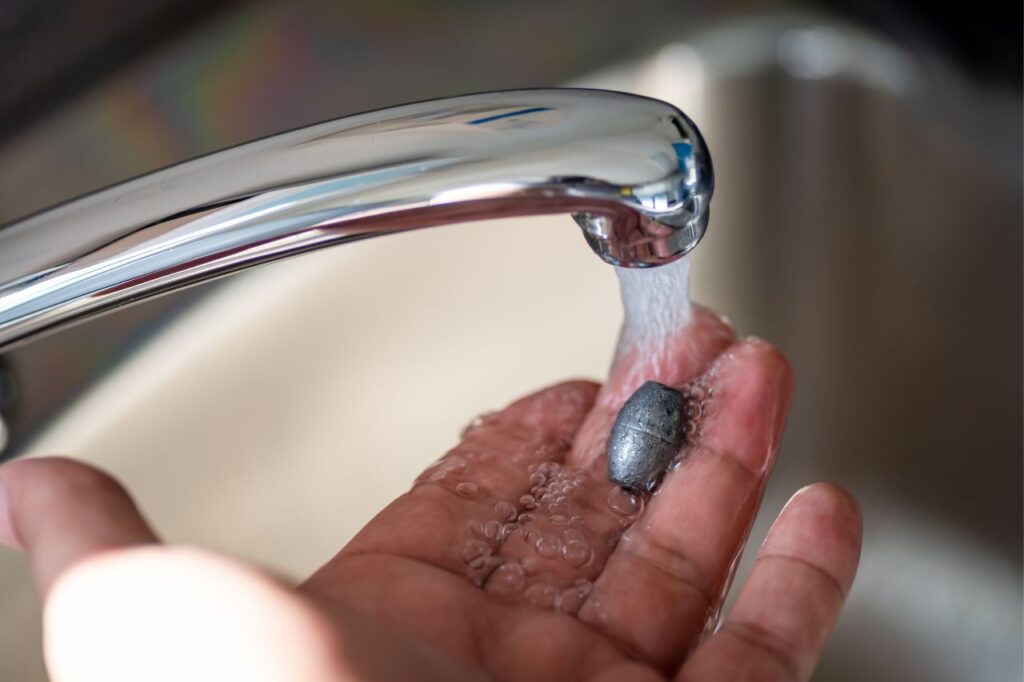
Plumbing infrastructure constitutes another primary exposure route. Older residential structures often receive municipal water through historical service lines manufactured from unlined lead conduits, or contain interior copper systems joined with 50/50 lead-tin solders. Over time, chemical corrosion dissolves heavy metal ions into standing tap water. Identifying such hazards frequently requires specialized assessment. Utilizing certified private water testing in Manhattan provides high-density apartment dwellers and historic property owners with laboratory verification of domestic water safety, separating plumbing contributions from ambient atmospheric dust.
Municipalities across the nation are aggressively addressing subterranean delivery networks through organized regulatory initiatives. Homeowners and property managers can review the technical framework outlined by the EPA Lead Service Line Replacement program to understand how public utilities locate, remove, and replace toxic utility lines with modern copper or high-density polyethylene pipelines. Replacing toxic delivery mains shields entire communities from chronic infrastructure-induced contamination.
Diagnostic Follow-Ups and Preventive Health Protocols
Following an initial appointment, patients must maintain proactive clinical engagement. When test results show undetectable or low-baseline values, clinicians document this as a valuable reference point. Establishing comprehensive clinical records through baseline testing ensures that future occupational exposures, residential migrations, or pregnancy assessments have a reliable historical foundation for objective comparison.
If results demonstrate moderate or elevated concentrations, healthcare providers formulate structured monitoring schedules. Because red blood cells turn over approximately every 120 days and circulating lead possesses a one-month half-life, follow-up venipunctures are typically scheduled at 30- to 90-day intervals to confirm that physical remediation and source-abatement strategies are actively reducing systemic biological burdens.
Patients frequently have logistical questions concerning clinical re-testing intervals, insurance billing codes, diagnostic preparation subtleties, and child-safe sample collection. Consulting an expert clinical and diagnostic FAQ offers rapid clarification for persistent medical-testing questions, helping individuals navigate outpatient protocols with confidence.
In parallel with physical abatement, nutritional optimization supports clinical treatment plans. Consuming diets rich in calcium, bioavailable iron, and vitamin C can help limit gastrointestinal uptake of accidental ingestion. Calcium competes directly with heavy metals for divalent metal transporter 1 (DMT-1) binding sites in the intestinal mucosa, iron deficiency markedly upregulates metal absorption rates, and ascorbic acid promotes cellular antioxidant defenses, working alongside medical care to protect bodily systems.
Conclusion: Empowering Health Through Objective Diagnostics
Undergoing a blood lead screening is a straightforward, safe, and indispensable clinical step for safeguarding human physiological health against modern toxic threats. By distinguishing between screening fingersticks and definitive venous draws, executing simple personal hygiene measures, and maintaining proper systemic hydration, patients can approach collection appointments with complete confidence. Analytical laboratory diagnostics transform subjective environmental concerns into precise, objective clinical data, providing the foundation for targeted household remediations, municipal infrastructure updates, and long-term health protection.