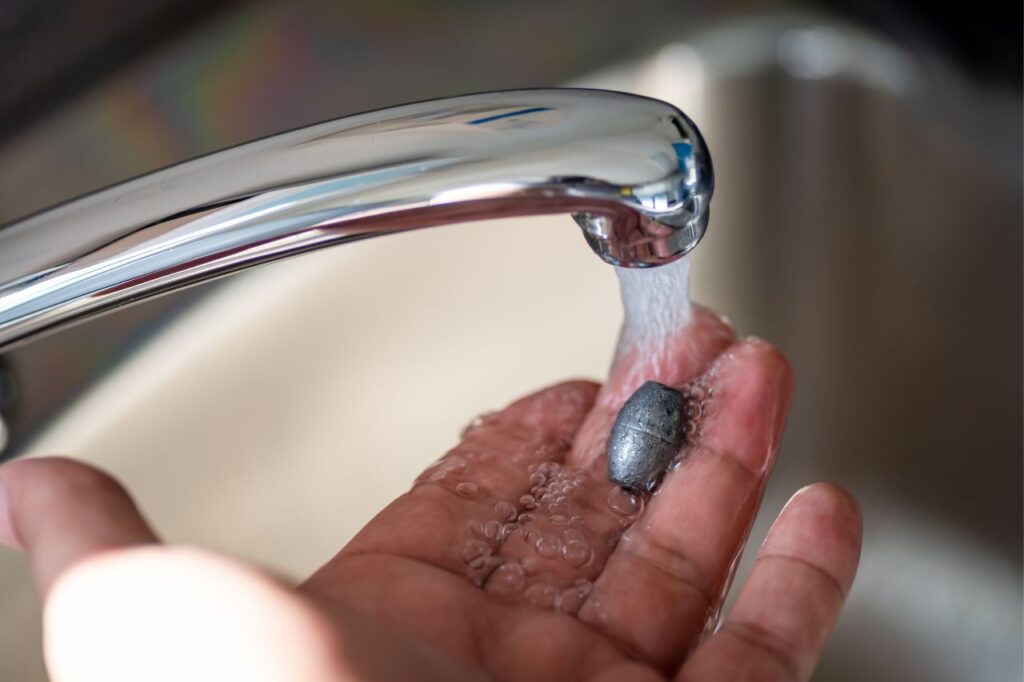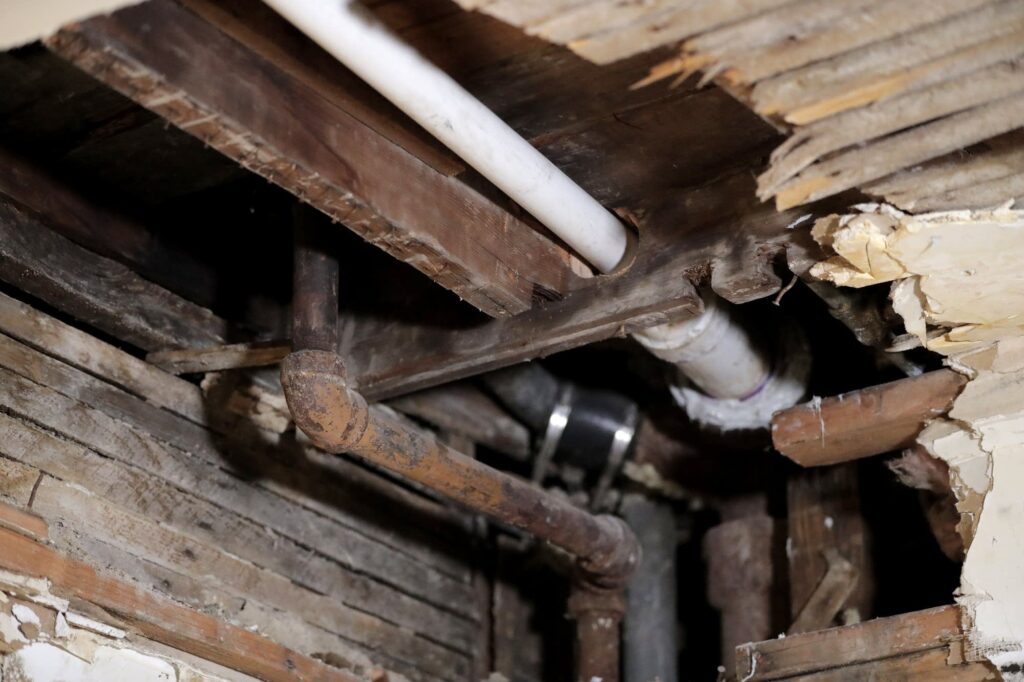
For millions of families living in historic and mid-century residences built before modern plumbing standards took effect, the pipes delivering daily drinking water may harbor unseen health hazards. Throughout the late nineteenth and early twentieth centuries, lead was widely prized by civil engineers and plumbers due to its soft malleability, durable resistance to pinhole corrosion, and ease of soldering. Consequently, countless residential service lines, utility branch connections, and interior distribution networks were installed using metallic lead that remains in active service today across thousands of communities.
Because lead pipes do not necessarily leak, rattle, or emit conspicuous warning odors, detecting their physical presence inside your home requires knowing what structural visual signs to inspect. Conducting a methodical basement inspection and understanding your home’s structural history allows you to uncover hidden plumbing risks before chronic heavy metal ingestion impacts your family’s health and wellness.
Visual and Physical Inspection: The Scratch and Magnet Test
The most definitive physical location to identify whether lead pipes enter your home is at the primary service point, usually found in your basement, crawlspace, or utility closet where the water main penetrates the foundation wall before connecting to the water meter.
Carefully examine the incoming pipe where it enters through the floor or concrete slab. Lead pipes possess distinct physical traits that set them apart from modern copper, galvanized steel, or rigid plastic plumbing materials:
1. Distinctive Coloration and Contour: Lead pipe typically displays a dull, matte gray exterior patina. It frequently features a pronounced, swollen bulbous joint known as a wiped joint where it connects to the shutoff valve or brass water meter coupling, reflecting the hand-soldered craftsmanship of early plumbing eras.
2. The Magnet Evaluation: Hold a common household refrigerator magnet directly against the incoming pipe. A magnet will adhere strongly to galvanized iron or magnetic steel pipes, but it will slide completely off lead, copper, and plastic materials.
3. The Careful Coin Scratch Test: Using the edge of a clean coin or flathead screwdriver, gently scrape the outer surface of the pipe where it enters the property. If the scratched surface reveals a bright, shiny silver metallic sheen that is noticeably soft and easy to score, the pipe is almost certainly manufactured from solid lead.
Navigating complex building codes and historical property records often requires qualified environmental guidance. In dense housing markets with multifaceted building typologies, engaging an experienced NYC lead water testing consultant enables co-op boards, building superintendents, and private homeowners to systematically audit internal water risers and identify legacy lead branch lines.
When conducting physical pipe assessments, take precautions never to puncture, hammer, or vigorously saw into older metal conduits. Lead is remarkably soft and malleable, and aggressive mechanical abrasion can crack fragile wiped joints or create sudden structural leaks at brittle brass fittings. A gentle surface scrape of less than an inch is all that is required to observe underlying metallic luster.
Evaluating Home Construction Age and Solder Hazards
Even if your incoming utility service line consists of modern copper or ductile iron, interior piping may still contribute significant quantities of heavy metals to your drinking water. Under federal amendments to the Safe Drinking Water Act passed in 1986, the use of lead solder containing more than 0.2 percent lead was formally banned in residential plumbing systems across the United States. Homes constructed or renovated prior to this pivotal benchmark frequently feature rigid copper pipe joined together with 50-50 tin-lead solder alloy.
Federal health and environmental resources provide comprehensive data regarding plumbing degradation mechanisms. The EPA guide on protecting your family from lead details how corrosive water chemistry gradually attacks lead solder joints and older brass valves, causing microscopic particles to slough off directly into the household drinking supply. Understanding the biological timeline of lead accumulation underscores why early physical identification of these plumbing materials remains crucial for long-term health preservation.
Brass plumbing components manufactured prior to 2014 also warrant close scrutiny. Until recent federal legislation capped lead content in potable fixtures at a weighted average of 0.25 percent, domestic plumbing brass could legally contain up to eight percent lead by dry weight to facilitate easy machining and casting. Over years of daily water flow, zinc and lead leach preferentially from older brass kitchen spigots through a chemical phenomenon known as dezincification.
Diagnostic Water Sampling and Laboratory Verification
Physical visual inspection alone cannot confirm how much dissolved lead is actually leaching into your drinking glasses. Chemical water testing through an accredited analytical laboratory is the only objective method to evaluate the real-world performance of your plumbing system and verify whether municipal corrosion inhibitors are effectively coating your pipes.
A comprehensive diagnostic testing protocol uses paired sampling bottles to isolate the exact source of contamination within your plumbing layout. The initial one-liter draw reflects the water standing in your kitchen fixture and immediate branches, while a secondary draw taken after a multi-minute flush isolates the water traveling through the underground service line beneath your front yard or sidewalk.
Property owners seeking precise analytical confirmation frequently submit split samples to a certified drinking water lead testing laboratory in Manhattan to quantify heavy metal parts-per-billion metrics with calibrated analytical precision. Having verifiable laboratory numbers on hand allows you to compare your household water chemistry against established lead exposure medical guidelines and make informed infrastructure decisions.
In many legacy municipal installations, public water authorities add orthophosphate or silicate compounds to the water supply to build an internal mineral barrier inside lead pipes. However, shifts in municipal water sources, seasonal temperature swings, or local road vibrations can crack this protective mineral lining, triggering sudden spikes in metal release without any warning to residents.
Immediate Protective Measures When Lead Pipes Are Confirmed
If physical scratch testing or laboratory analysis confirms that your residence receives water through a lead service line or contains lead solder joints, implement these protective protocols immediately:
Never Consume Hot Tap Water: Always draw cold water for cooking, drinking, and infant formula preparation. Hot water heaters accelerate chemical galvanic corrosion, dissolving heavy metals off interior pipe walls at vastly higher rates than cold supply lines. If you require hot water for tea, boiling pasta, or coffee, draw cold tap water and heat it on the stovetop or in an electric kettle.
Perform Daily Morning Flushes: Water that sits stationary in service lines overnight absorbs maximum contamination. Flush your primary drinking faucet for three to five minutes every morning, or run a shower or washing machine cycle first, before drawing water for consumption.
Deploy Certified Point-of-Use Filtration: Install an under-sink filtration system or countertop unit certified under NSF/ANSI Standard 53 or NSF/ANSI 58 for heavy metal extraction. Avoid uncertified decorative filtration pitchers that merely polish taste without addressing microscopic metal ions. Families looking for additional safety literature can explore our comprehensive resources library to review third-party filtration verification standards.
Long-Term Planning: Full Service Line Replacement
While daily flushing and certified filters provide reliable interim defense, the only permanent, fail-safe resolution is complete physical replacement of the lead service line from the municipal water main in the street all the way to your indoor water meter. Federal environmental standards actively promote full infrastructure modernization, as highlighted in official guidance on EPA lead service line replacement programs.
Homeowners should avoid partial lead service line replacements—where only the utility-owned or privately-owned section is swapped—because cutting into old lead pipes disturbs existing mineral scales and creates galvanic corrosion cells between new copper and old lead. This disruption can cause severe, multi-month surges in dissolved metal release. Always coordinate with your municipal water provider to execute a full, unified line replacement. If you need assistance structuring a property assessment plan or locating certified environmental inspectors, visit our contact page to connect with experienced water quality professionals.
Summary and Action Checklist
Identifying whether your home contains lead pipes requires systematic visual inspection, magnetic testing, and accredited laboratory validation. Take immediate control of your home’s water quality by verifying your incoming service line material today, adopting cold-water flushing routines, and deploying certified filtration to maintain an uncompromised standard of daily drinking water safety for everyone under your roof.